Architecture
250 replies · 86461 views
Just imagine cleaning up after that thing :|
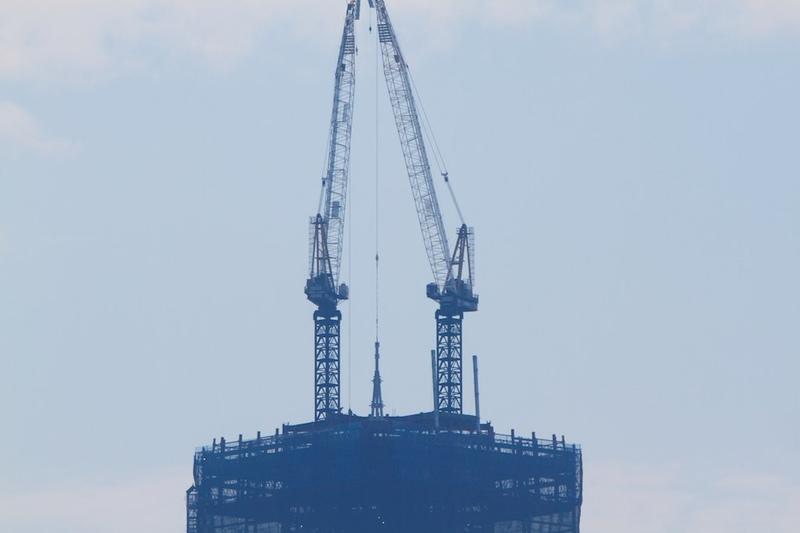
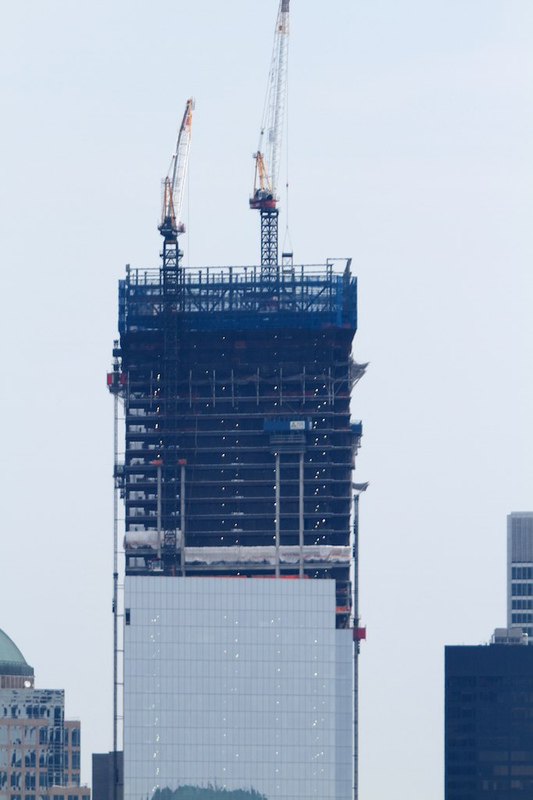
- WTC UPDATE -
WTC1: Final vertical beam installations underway. Topping out should be reached within a few mere days...what a historic event for the site 
WTC4: Officially topped out, all final steel installation now occurring.
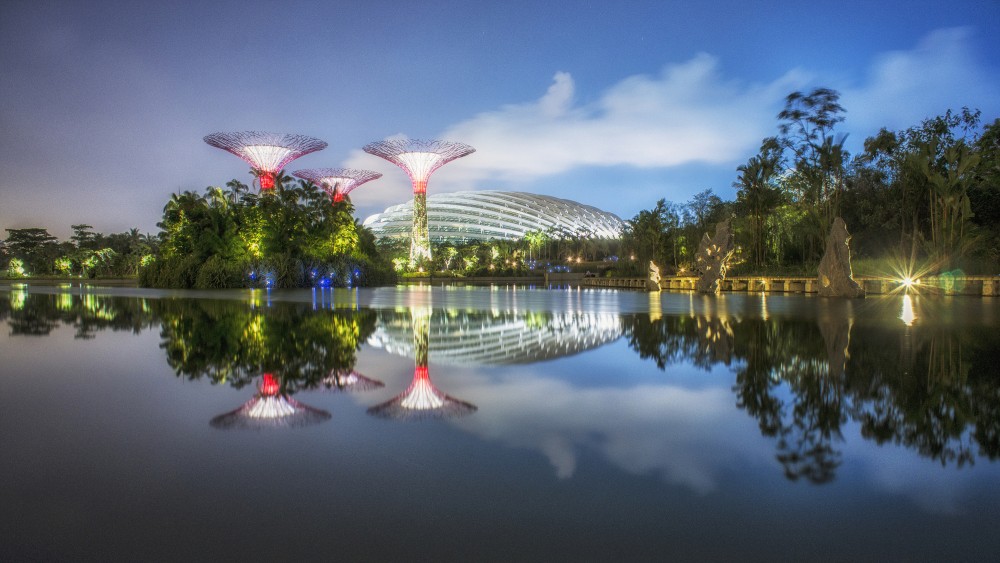
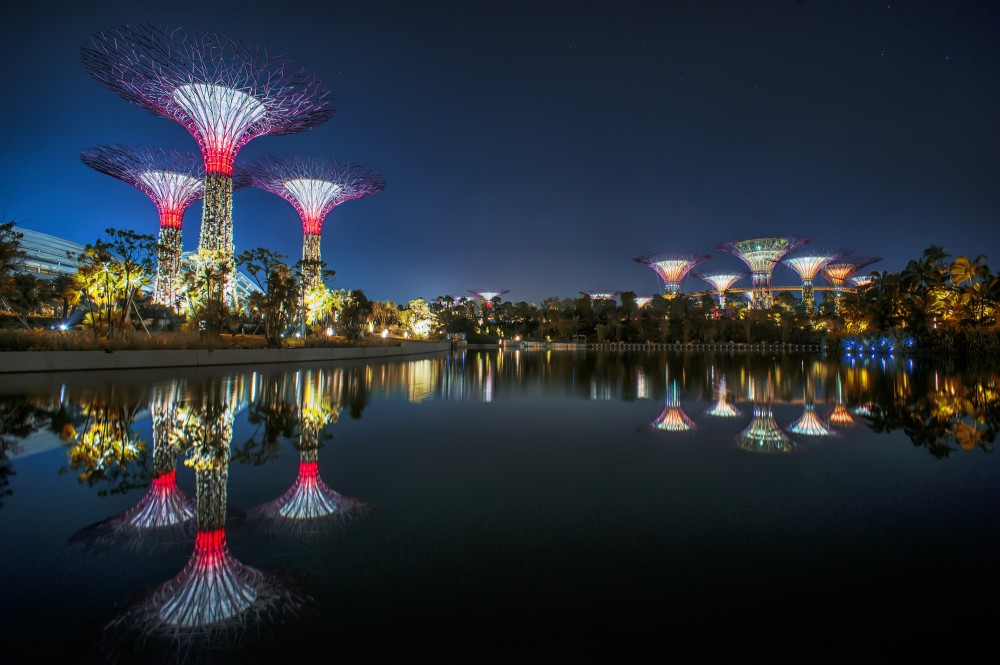
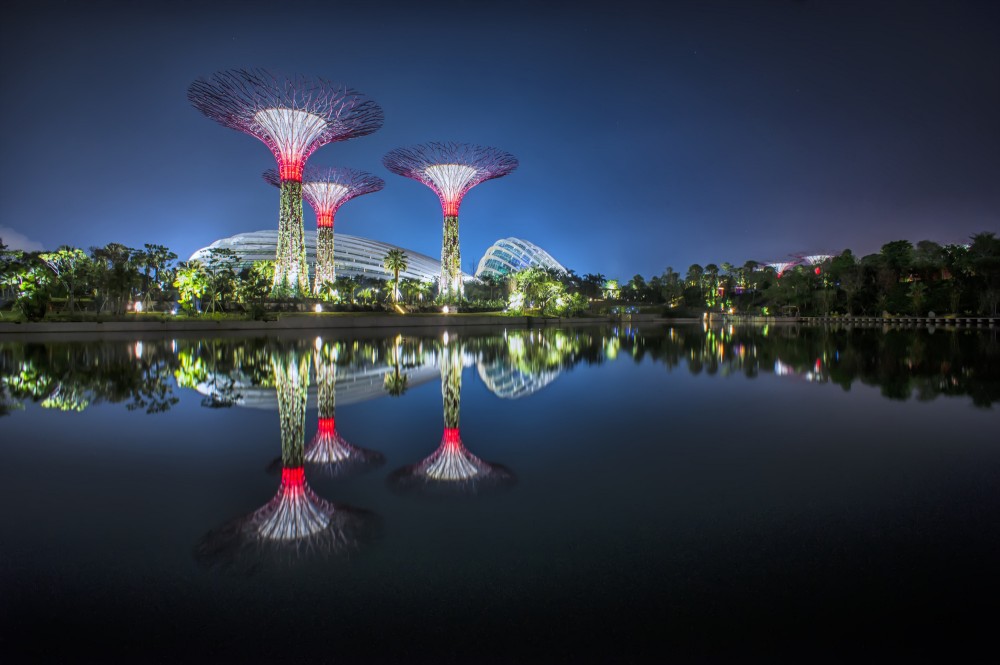
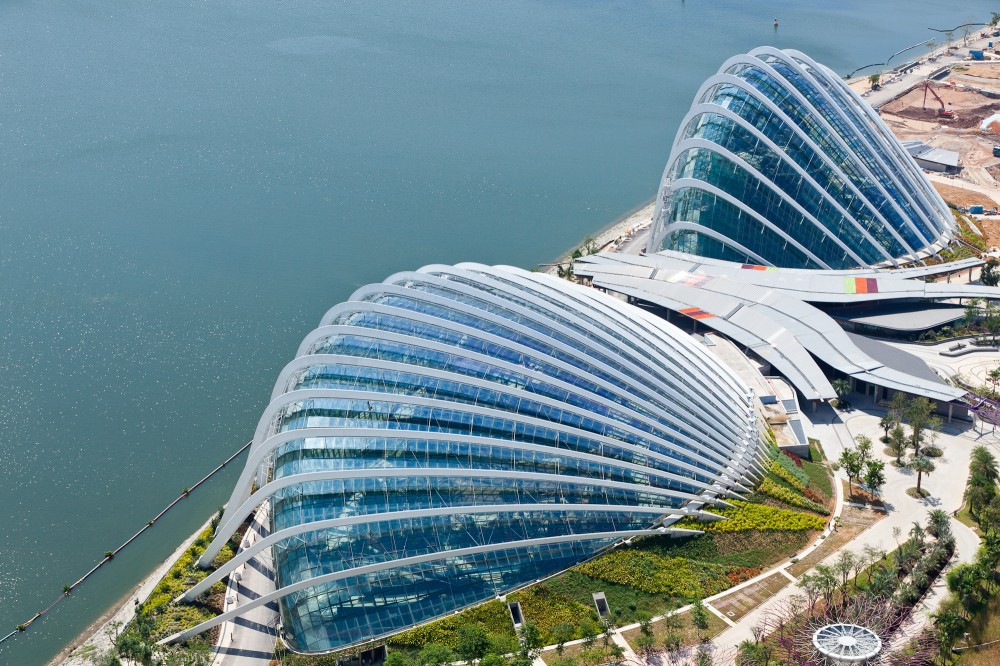
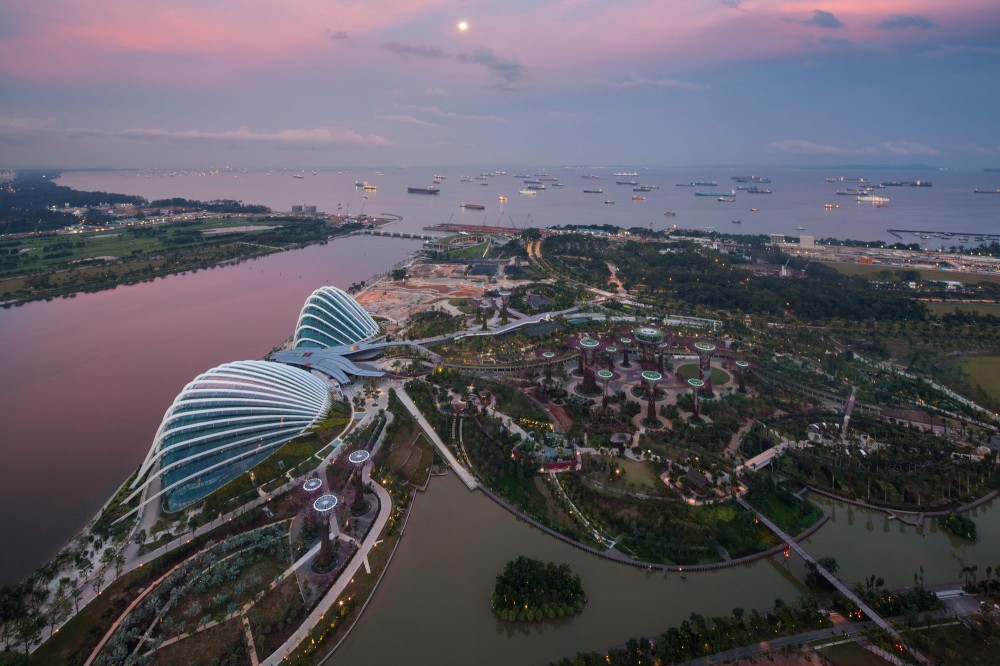
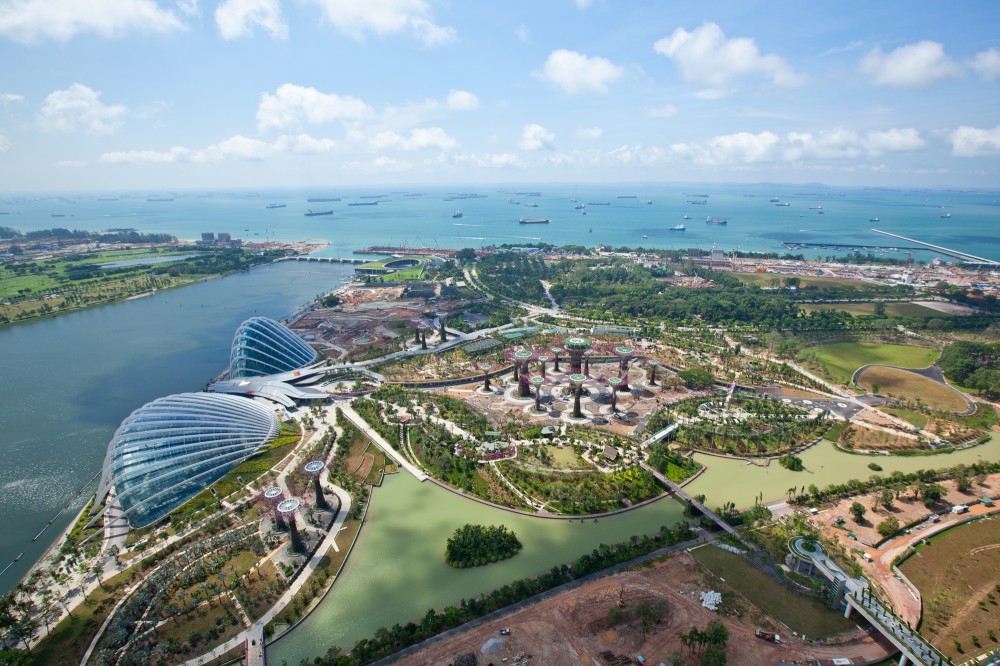
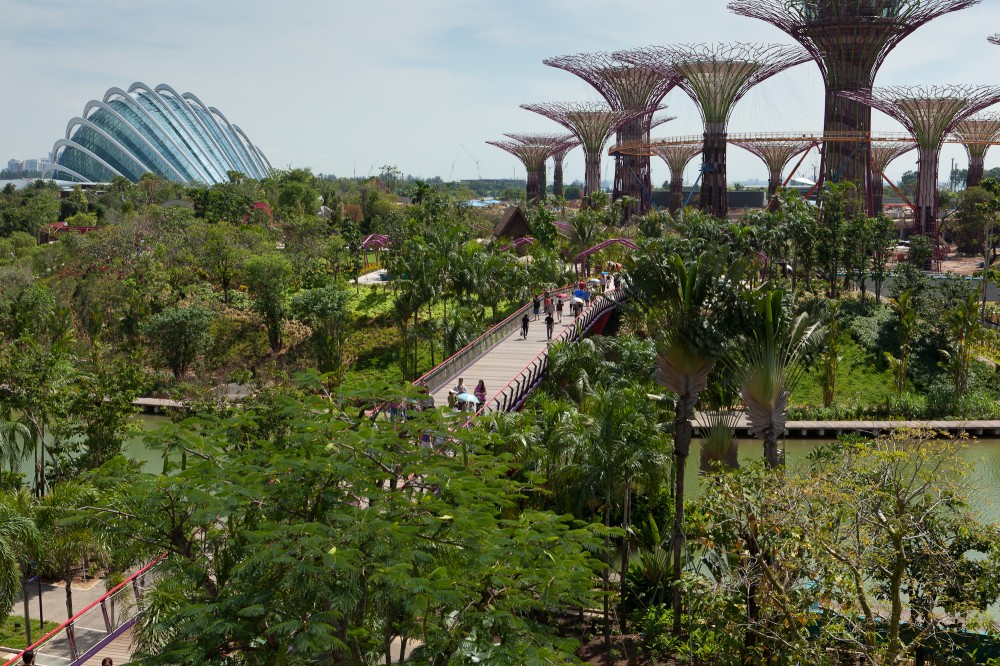
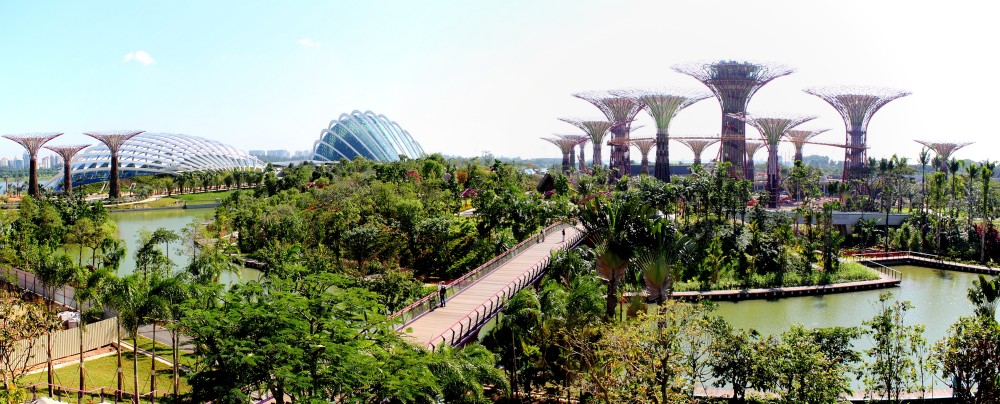
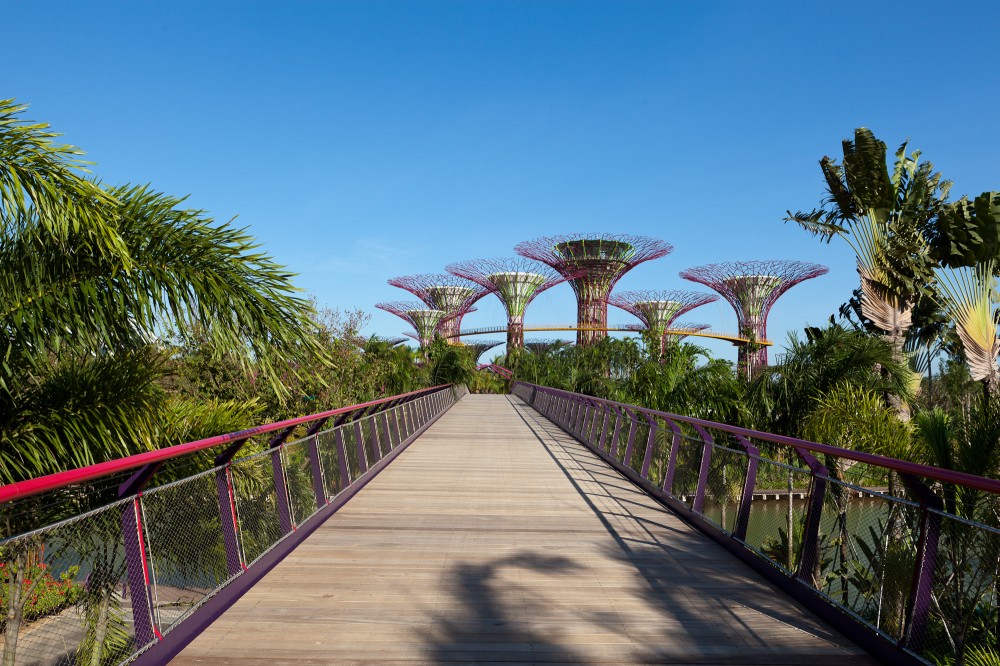
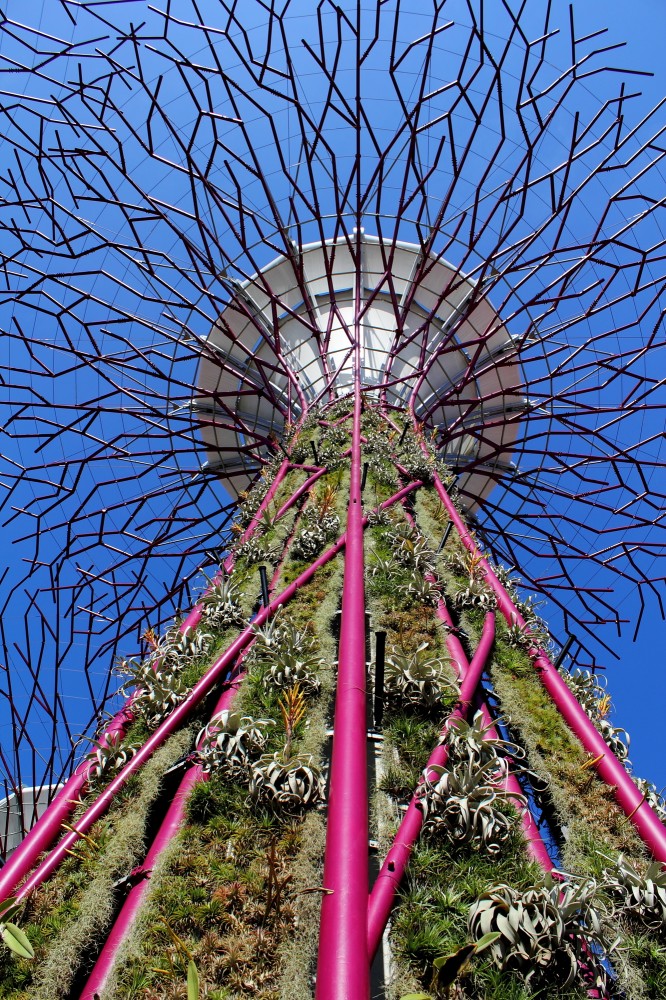
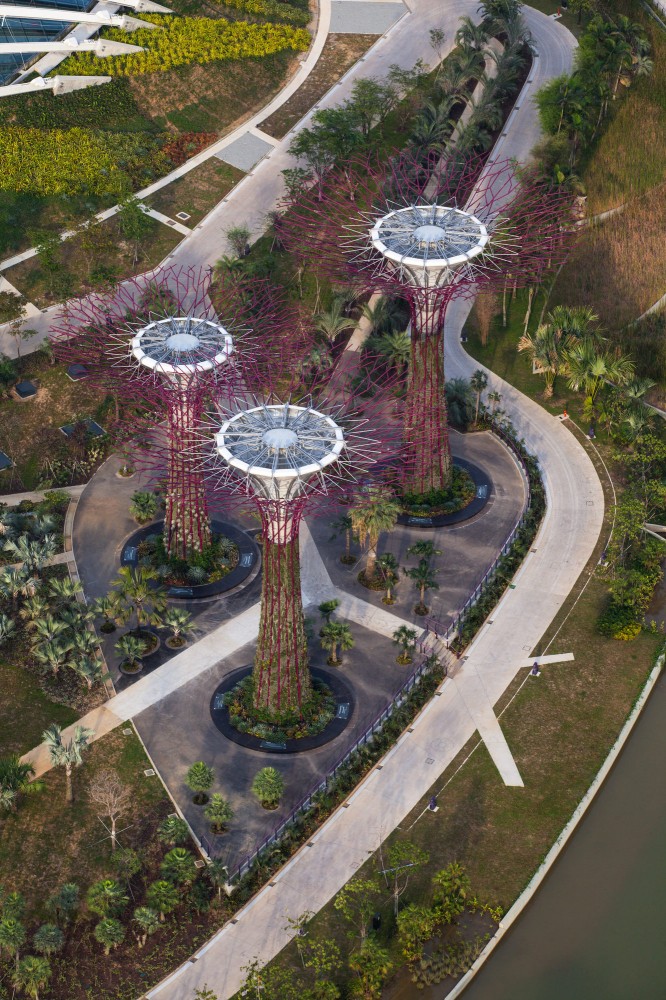
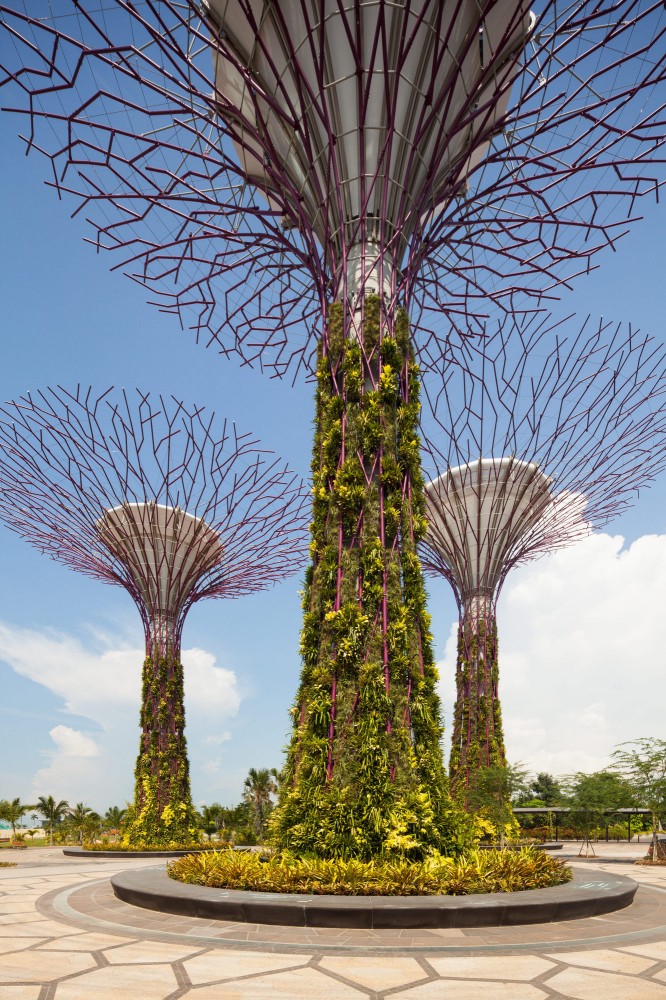
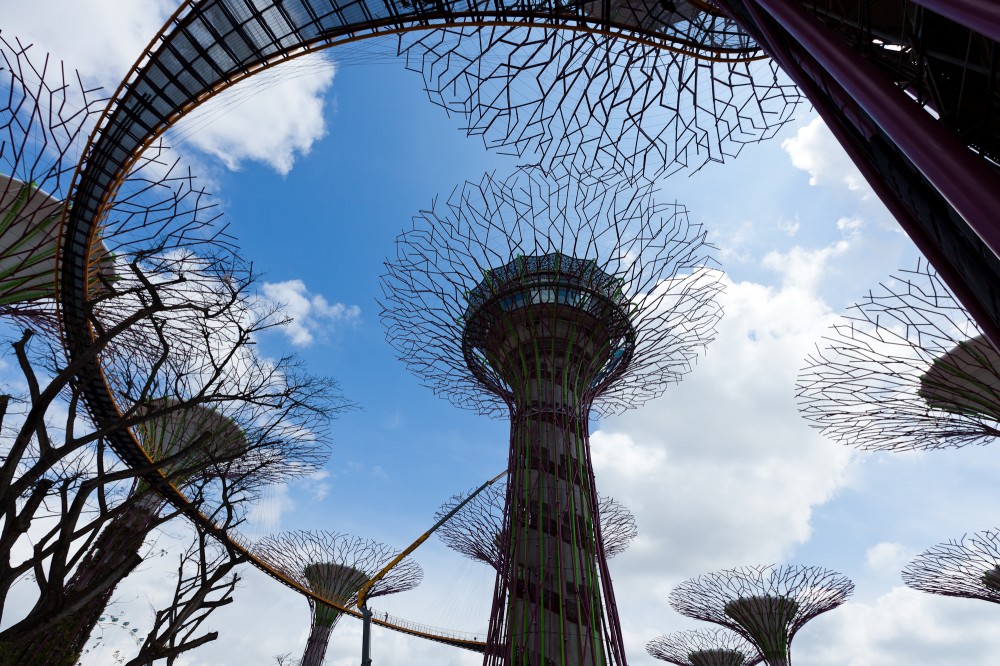
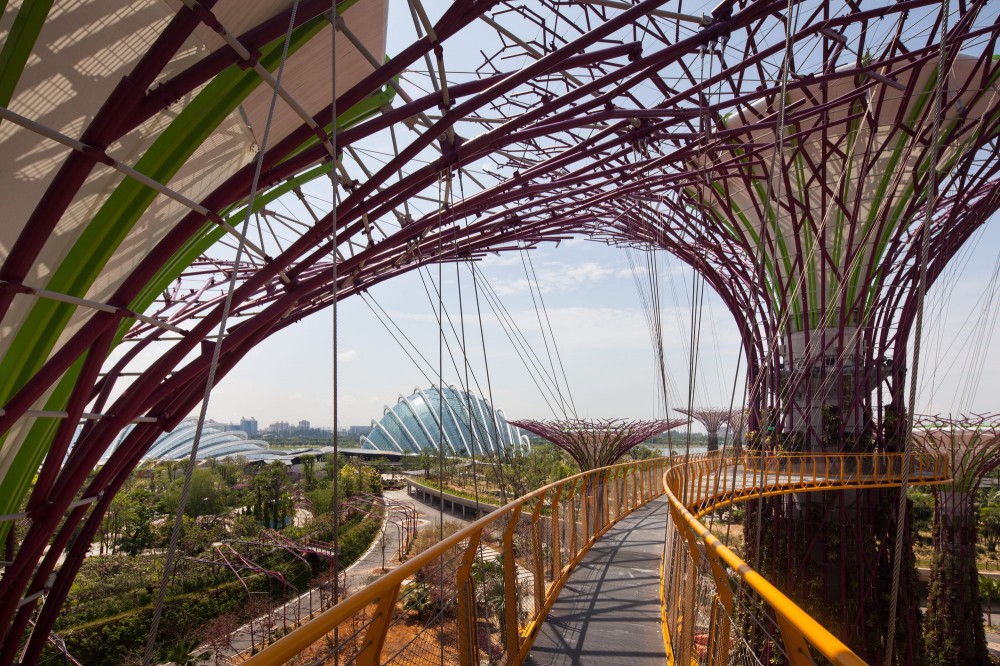
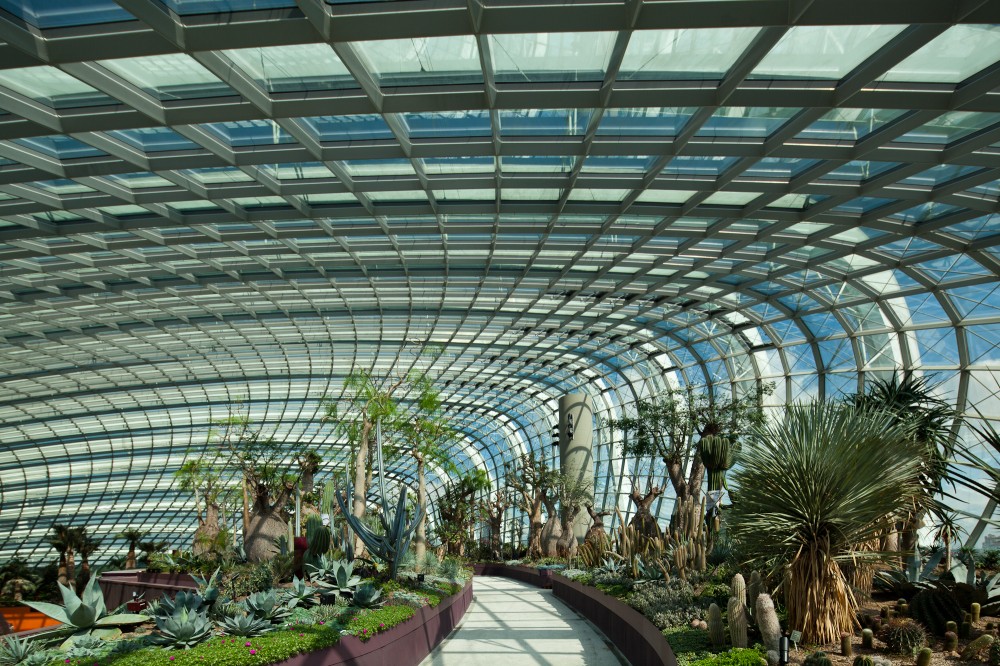
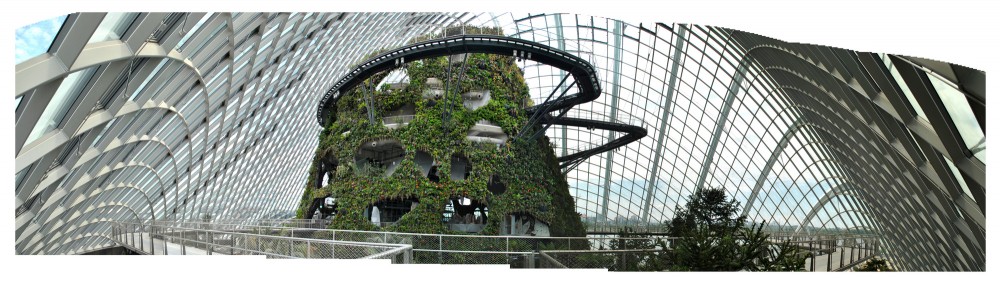
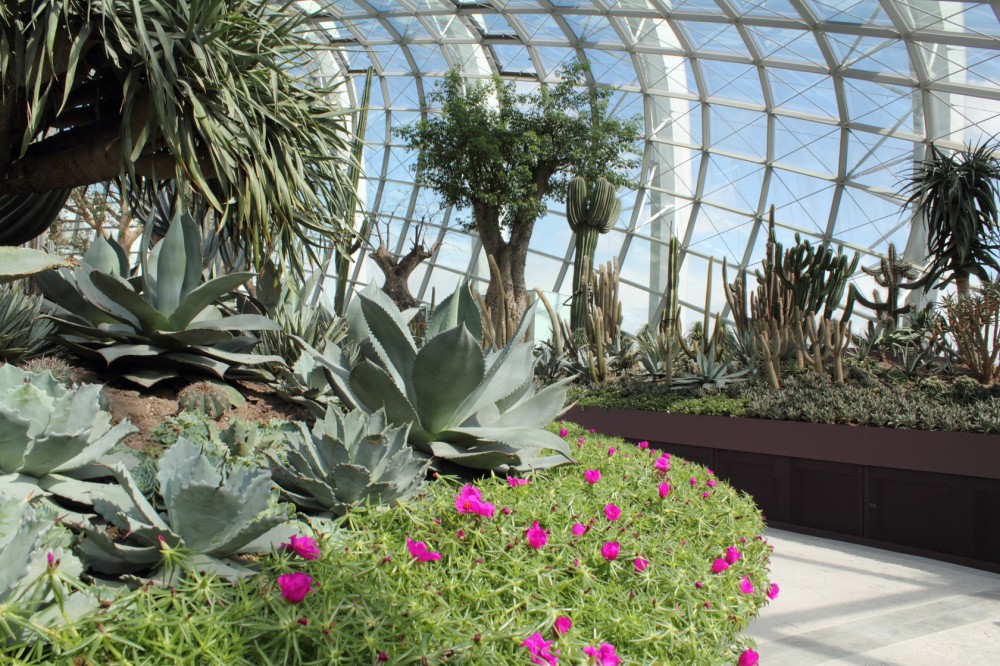
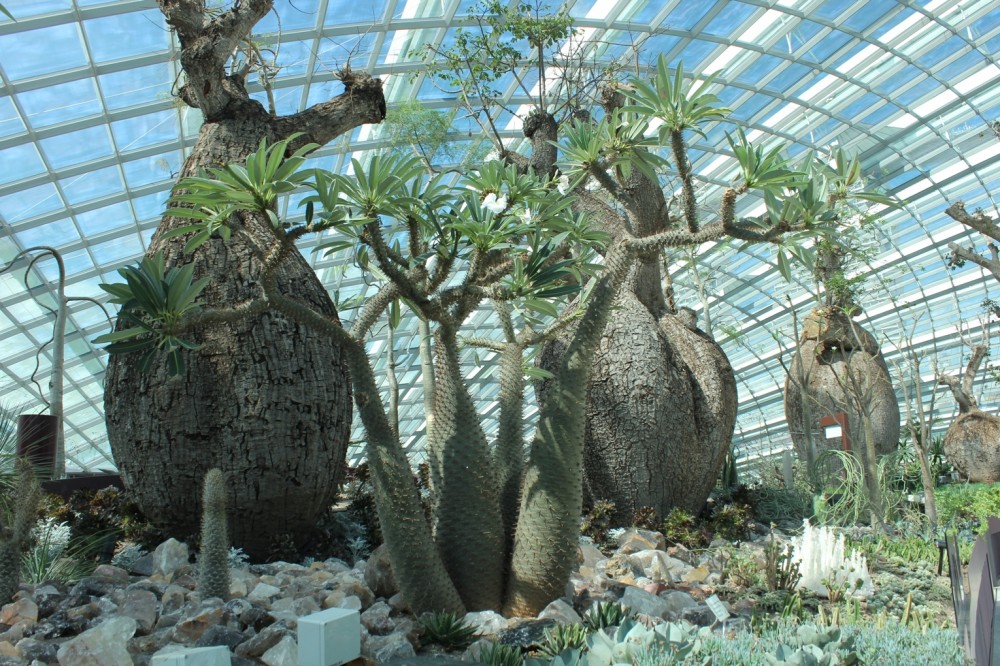
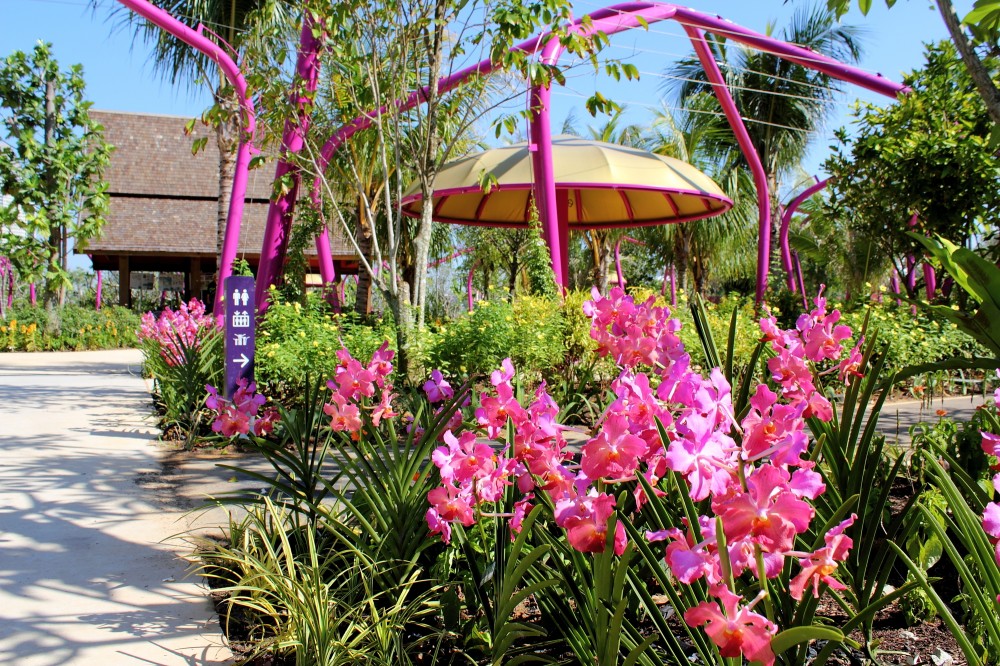
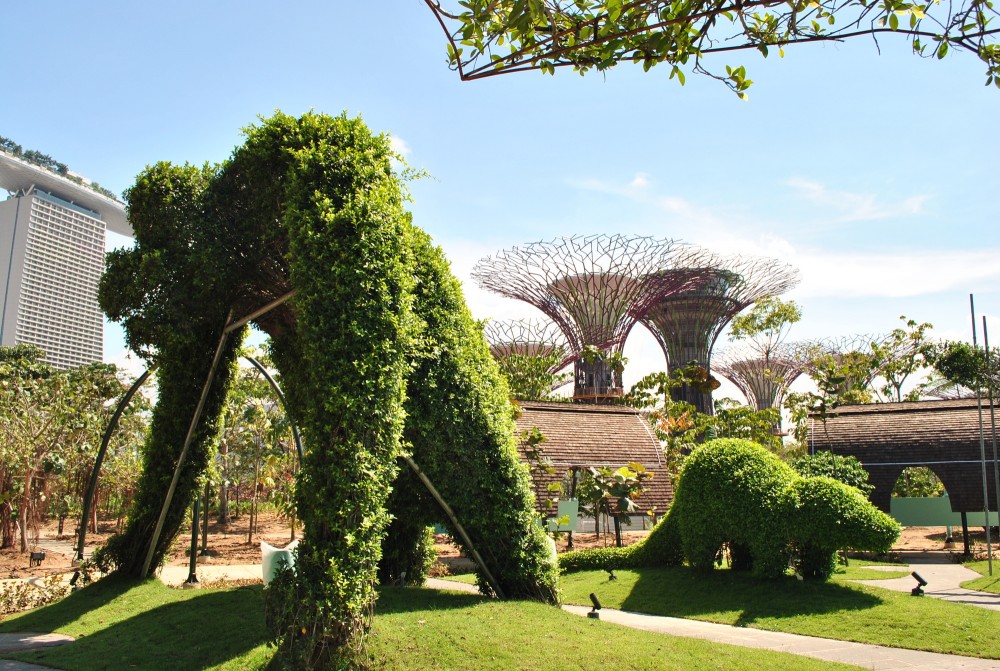
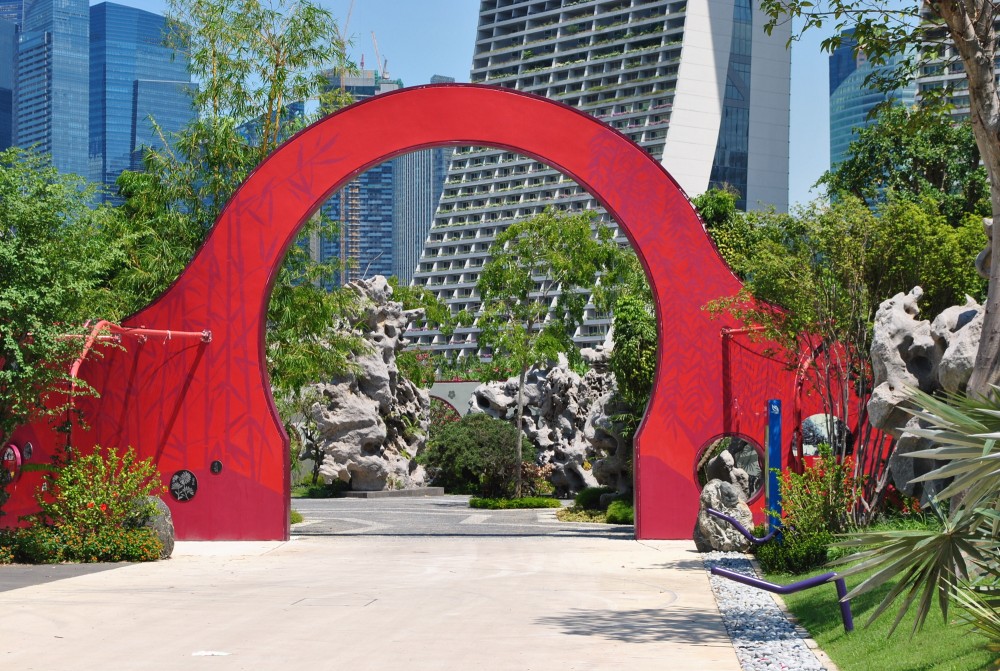
Gardens by the Bay - SINGAPORE
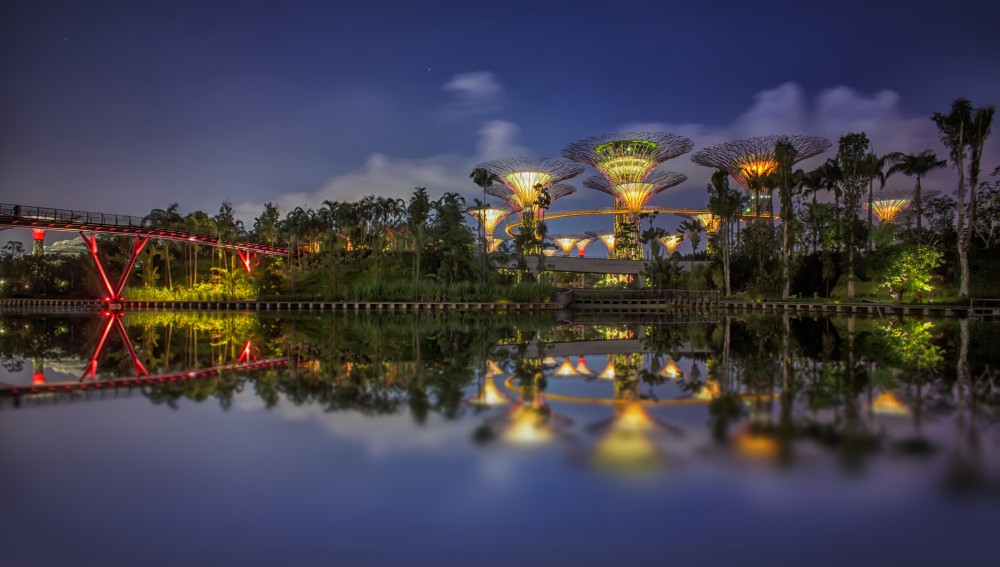
Absolutely brilliant idea in concept and implementation. Plus, aesthetics were deeply taking into account for a perfect melding of man and nature 

french serie of documentaries (but here in english) i started to watch and who's really good
n°1 : The Dessau Bauhaus - Walter Gropius
Dessau, Germany
1925
Walter Gropius' main achievement is the buildings of the Bauhaus, built in 1926. His pioneering architecture saw the birth of one of the most innovative schools of art of the 20th century.
n°2 : Porto School of Architecture - Alvaro Siza
Porto, Portugal
1993
The Portuguese architect Alvaro Siza built Porto's Faculty of Architecture, a mediation on space and light in a futuristic "agora". Alvaro was once a student and still teaches there today.
n°3 : Family Lodging in Guise - Jean-Baptiste-André Godin
Guise, France
1858
Inspired by the communes of Charles Fourier, the industrialist André Godin created palatial style communal living spaces for his workers.
n°4 : Nemausus - Jean Nouvel
Nîmes - France
1987
In Nîmes, Jean Nouvel conceived a block of tenement houses reminiscent of a cruise liner. An architectural utopia that pokes fun at the truisms of council housing.
n°5 : The Georges Pompidou Centre - Richard Rogers & Renzo Piano
Paris, France
1974
A giant meccano-like structure designed by Richard Rogers and Renzo Piano, a museum-factory that has become one of the most notable landmarks of the historical Parisian architectural landscape.
n°6 : Austrian Postal Savings Bank - Otto Wagner
Vienna, Austria
1906
At the turn of the last century, Otto Wagner designed one of the first 20th century modern office buildings, representing a radical break with the previous tradition in bank-architecture.
n°7 : Wax Administrative Building - Frank Lloyd Wright
Racine, USA
1939
These famous office buildings were designed and built between 1936 and 1939 for the wax manufacturer Johnson by one one of the 20th century's greatest architects Frank Lloyd Wright.
n°8 : La Galleria Umberto I - Emanuele Rocco
Naples - Italy
1991
Built in Naples, this is one of the last and largest covered passageways to be constructed in Europe, providing the swan song for a grand invention of 19th century architecture.
n°9 : Satolas TGV - Santiago Calatrava
Colombier-Saugnieu, France
1994
An astonishing concrete and steel structure designed for an open field in the Lyon countryside. An astonishing feat undertaken by Calatrava, which sees trains race through at speeds of 190mph.
n°10 : The Thermae of Stone - Peter Zumthor
Vals, Switzerland
1996
The Spa of Vals-les-Bains, designed by Peter Zumthor, redefines the very concept of public bathing, a mise en scène of water in all its aspects.
n°11 : Jewish Museum Berlin - Daniel Libeskind
Berlin, Germany
2001
Libeskind tackles the emptiness left by the extermination of Europe's Jews during the Second World War. His response is an architecture of absence.
n°12 : The Opera Garnier - Charles Garnier
Paris, France
1875
This is Paris's most prestigious 19th century building, the pinnacle of the "Beaux Arts" style with its ornamented facade, transfigured by the excesses of a theatre-mad architect in the mid-1800s.
n°13 : The Cloister La Tourette - Le Corbusier
Eveux, France
1960
Under the instigation of the Dominicans of Lyons, Le Courbusier was charged with the task of creating this rural convent retreat, a rough concrete form that would house one hundred sleeping rooms plus recreational spaces.
n°14 : The Casa Mila - Antonio Gaudi
Barcelone, Spain
1907
A block of flats in Barcelona, the Casa Milà is an extraordinarily sculpted work created by the great Spanish architect Antoni Gaudi. The Art Nouveau apartments are Expressionistic, fantastic, organic forms with undulating facades and roof lines.
n°15 : Auditorium Building Chicago - Louis Henry Sullivan
Chicago, USA
1889
At the end of the 19th century, Louis Henry Sullivan, the father of American architecture, built the world's largest opera house, a "democratic" auditorium which was revolutionary in its very conception.
n°16 : The Community Center of Säynätsalo Finland - Alvar Aalto
Saynätsälo, Finland
1952
Built in 1952, this town hall building in the heart of a rugged landscape in Finland represents a humanist masterpiece by architect Alvar Aalto. His intention was to pay modern homage to the Ideal City of the Italian Renaissance.
n°17 : The Saline of Arc et Senans - Claude Nicolas Ledoux
Arc-et-Senans, France.
XVIII century
The visionary architect Claude Nicolas Ledoux, one of the earliest exponents of French Neoclassical design, built a monumental factory for the king of France at the end of the 18th century. He was considered a utopian and a pragamtist and the building an aesthetic revolution.
n°18 : Maison de Verre - Pierre Chareau
Paris, France.
1932
In 1928, Pierre Chareau built the poetical and remarkable Maison de Verre, one of the unique buildings of the 20th century. Inserted into an existing building, the views dissolve through semi-transparent materials, juxtaposing metal and glass, almost taking it into the realms of Surrealism.
n°19 : The House of Jean Prouvé - Jean Prouvé
Nancy, France
1954
In 1953 French designer Jean Prouvé built "his" house whilst going through his worst life-crisis. Designed in haste, it embodies his most innovative ideas.
n°20 : The Sendaï Media Center - Toyo Ito
Sendai, Japan
2001
A glass cube built in Japan by Toyo Ito, the library provides an example of immaterial and evanescent architecture. The Mediatheque is located on a tree-lined avenue in Sendai, its transparent facade allowing for the revelation of diverse activities that occur within the building.
n°21 : The Abbey Sainte Foy de Conques - Abbé Odolric
Conques, France
XI century
Built in 1050, the Abbey is one of the foremost pilgrim churches of the Christian world. This is rational, svelte and light-filled Romanesque architecture that is the work of Conques' monks who gained a solid reputation as builders during this time.
n°22 : The Bilbao Guggenheim Museum - Frank O’ Gehry
Bilbao, Spain
1997
Known for his strange and deconstructed forms, Frank Gehry designed this monumental, but chaotic and abstract-looking sculpture in 1997. Covered in titanium. the curves on the building have been designed to appear random in order to catch the light.
n°23 : The Paris Fine Art School, les Beaux Arts - Jacques Félix Duban
Paris, France
1840
In the heart of Paris, architect Duban's École des Beaux-Arts provides its students with an architectural "temple" representing a 19th century style widely copied throughout the world.
same documentaries serie but unfortunately this episode is only avaible in french (on internet). however, most of the posts there are only pictures, so this shouldn't be a big deal!
n°24 : Ewha Women University - Dominique Perrault
Seoul, North Korea
2008
n°25 : The Pyramid of the Pharaoh Djoser - Imhotep
Saqqara, Egypt
2667–2648 BC
The Djoser pyramid, the work of legendary architect Imhotep, is the oldest in Egypt, and bears witness to the first steps of architecture as a scholarly pursuit, as opposed to simple construction. It was a revolution in three thousand years BC, born out of a desire to perpetuate tradition.
http://www.youtube.com/watch?v=eCqgGH_JRSI
n°26 : The Royal Mosque at Isfahan - Ali Akbar Esfahani
Isfahan, Iran
1629
In 1598, King Abbas planned an immense urban project. His royal Mosque captured the unprecedented wealth of an art of living, the king’s power, and the talent of architect Ali Akbar Esfahani.
here the video on dailymotion (26 min) : http://www.dailymoti...-ispahan_travel
n°27 : The Villa Barbaro - Andrea Pallado
Maser, Italy
1560
Through inventing the villa, a new type of housing, in 1550, Palladio sought to combine aesthetics with utility in transforming the Venetian Medieval Palace of Maser into a splendid country residence. His rigorous and innovative approach would have a lasting influence on Western architecture.
english
n°28 : The House of Sugimoto - unknown
Kyoto, Japan
1743
Built in 1743, this traditional Japanese architectural masterpiece portrays a different understanding of architecture and building. It is a typical 'machiya' (Kyoto traditional townhouse) and was one of the largest rebuilt during the Meiji period.
(deeply love this one) french
n°29 : Phaeno, Building as Landscape - Zaha Hadid
Wolfsburg, Germany
2005
The sculptural power of the science center in Wolfsberg, Germany in which the plan is a landscape - the landscape of Zaha Hadid's experiences. The building is the realisation of an imaginative world that we know vividly through twenty years of abstract images. It permits us to experience space in ways that never seemed possible before.
part 1, french
part 2, french
n°30 : La Villa Dall'Ava - Rem Koolhaas
Paris, France
1991
french
n°31 : Rolex Learning Center - Kazuyo Sejima & Ryue Nishizawa
Lausanne, Switzerland
2010
french
n°32 : National Dance Center - Jacques Kalisz
Patin, France
1972
A new place of culture, created in 2004, following the reconversion of a municipal venue and the abandonment of a political utopia.
In the early 1970s, architect Jacques Kalisz was asked to build an administrative complex, grouping together under one roof a set of administrative, social and legal services (a court, a social security centre, a police station, a tax centre, a union headquarters, an unemployment pole, a morgue, kennels etc.). The Pantin Administrative Centre was then one gigantic, solid, concrete vessel, beached on the banks of the Ourcq Canal, on the Parisian suburban belt, known as the "Ceinture Rouge".
20 years later, the centre had been deserted, following the failure of a social utopia. Destroying the premises was deemed to be too costly, so it was decided to renovate the place.
In 2004, the building took on a radical new function - offices and office workers gave way to dance companies and rehearsal studios. This reconversion, which was awarded the Equerre d'Argent architectural prize on completion, was the first major creation of two young architect partners, Antoinette Robain and Claire Guieysse.
french
http://www.youtube.com/watch?v=znWXTmc_XCA
n°33 : Cologne Cathedral - Gerhard von Rile
Cologne, Germany
1473
Started in 1247, Cologne Cathedral was completed in 1880 after a 300-year break in the work carried out on it.
Via rib vaults and flying buttresses, the film explores Gothic architectural vocabulary and its construction methods. It also reveals the more recent metallic architecture.
It shows how this cathedral, which embodies the unity of Germany, is both a Gothic archetype and a building of the 19th century.
french