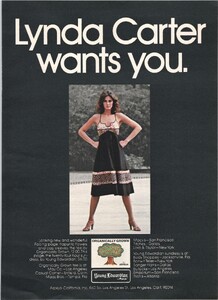
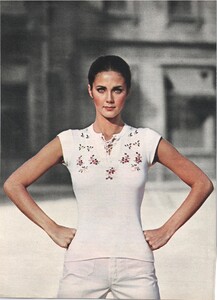
Lynda Carter
89 replies · 50215 views
Wonder Woman - swimsuit highlights:
NaughtyAdeptGoose.mp4Wonder Woman (S2E4, 1977)- as Diana Prince, yellow cut-off shorts, rainbow tank top ('the jungle look')
1839831086_LyndaCarter-WonderWoman(S2E41977)-asDianaPyellowcut-offshortsrainbowtanktop(thejunglelook).mp4Starsky & Hutch (1976, S2E1-2)
349419606_LyndaCarter-StarskyHutch(1976S2E1-2)2.mp4 62272677_LyndaCarter-StarskyHutch(1976S2E1-2).mp4Wonder Woman (S2E8, 1977)- playing tennis, white skirt
938790408_LyndaCarter-WonderWoman(S2E81977)-playingtennis.mp4
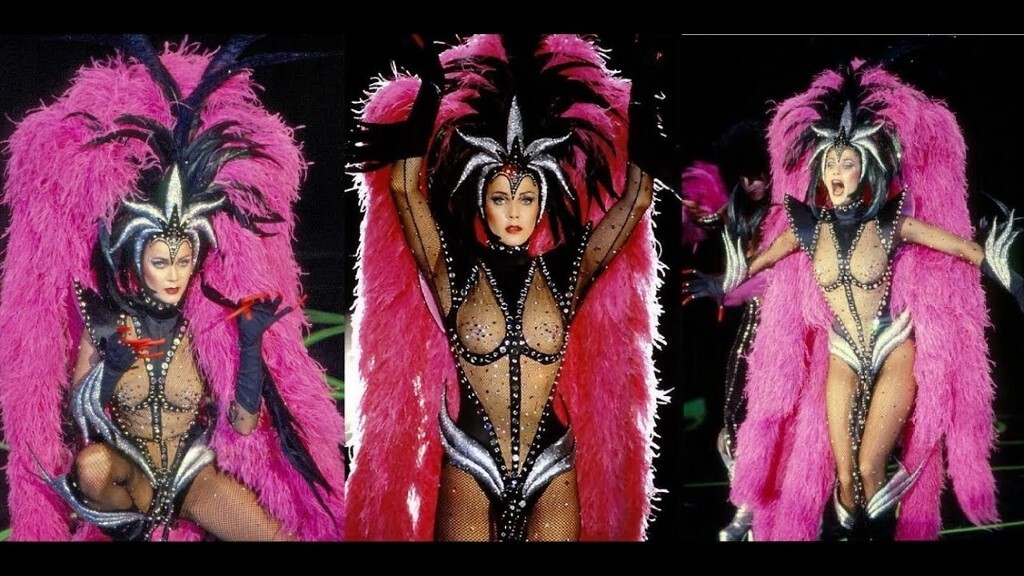
Family Circle Magazine - 1981/02/03
Harper's Bazaar Vietnam - 12/2024
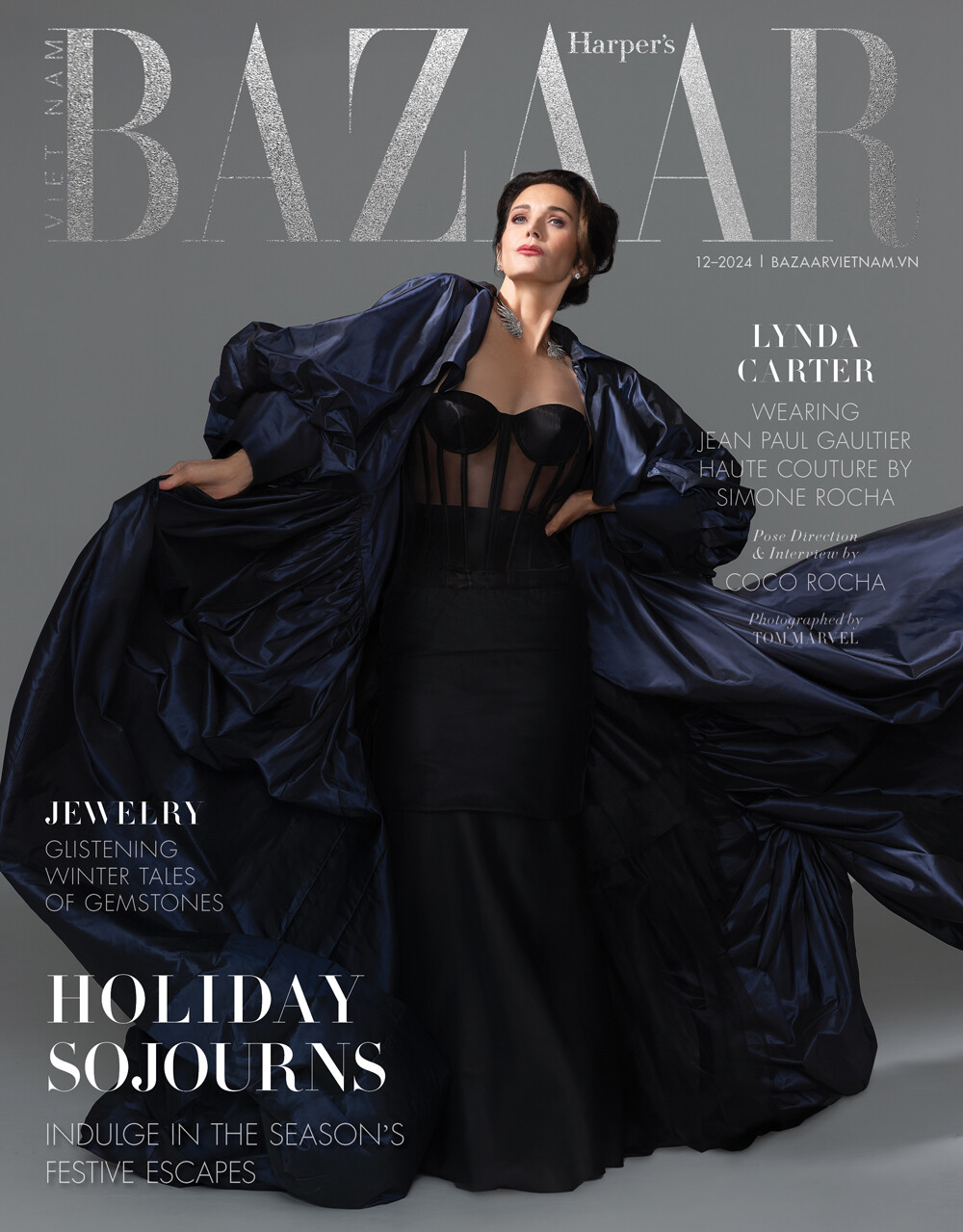
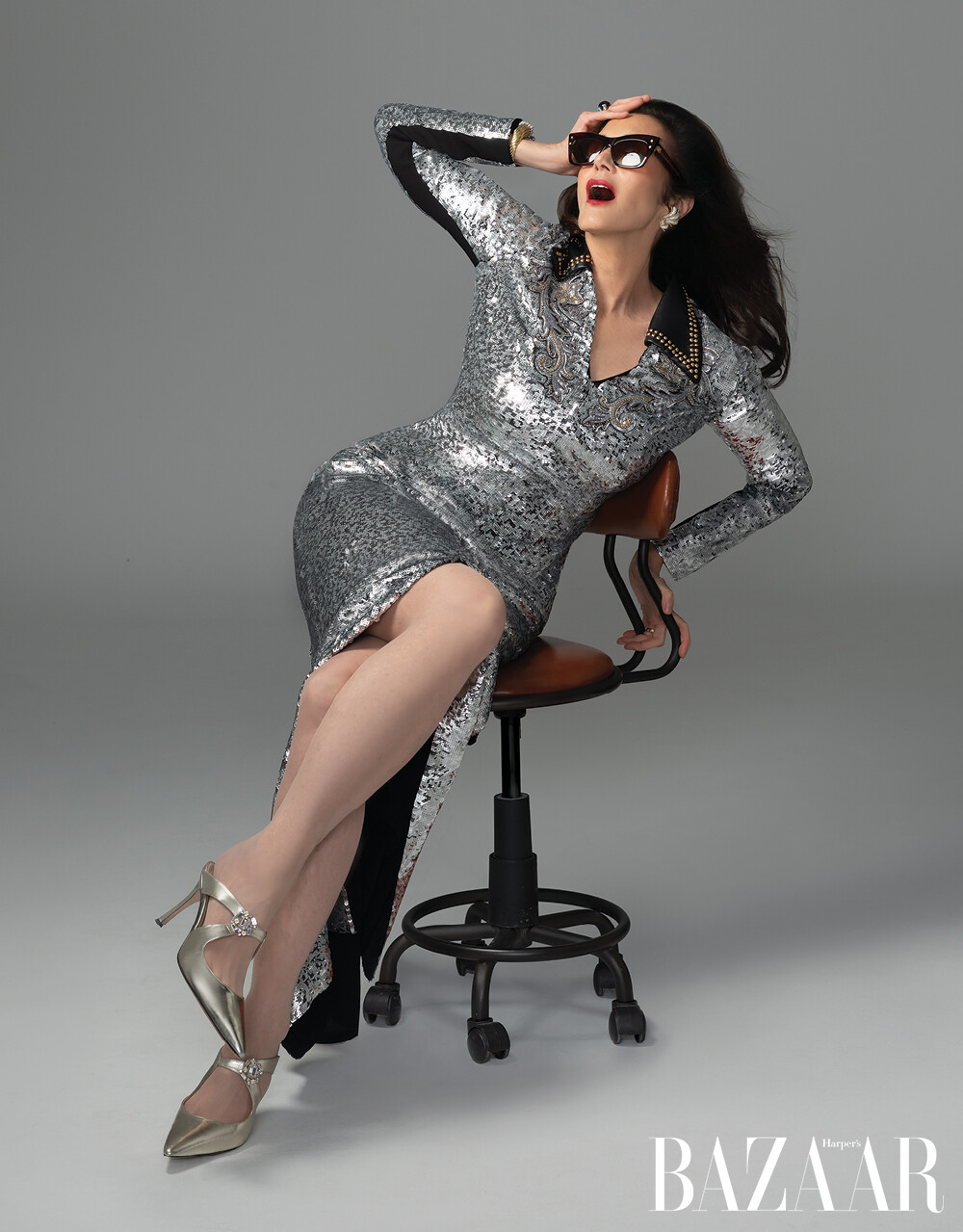
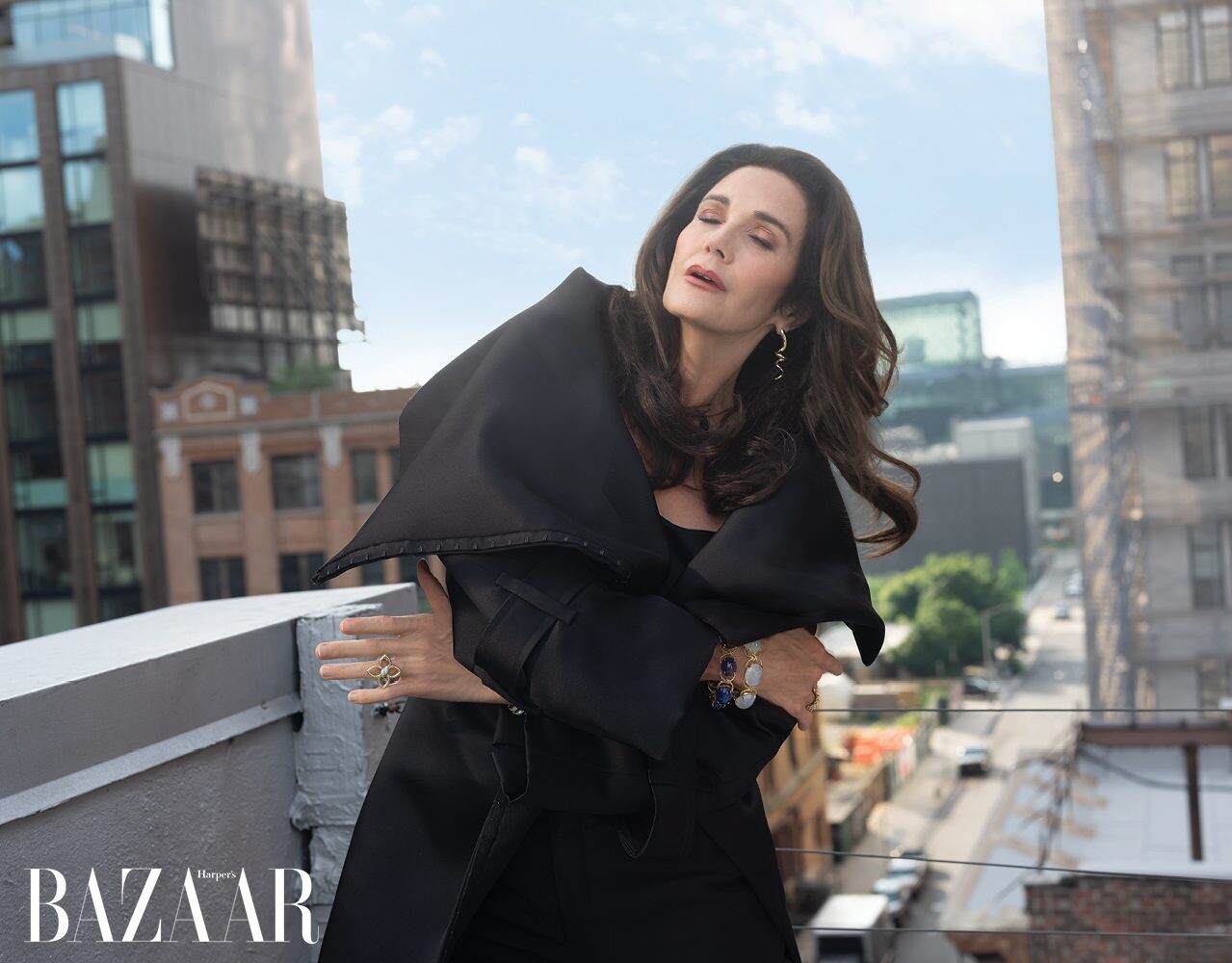
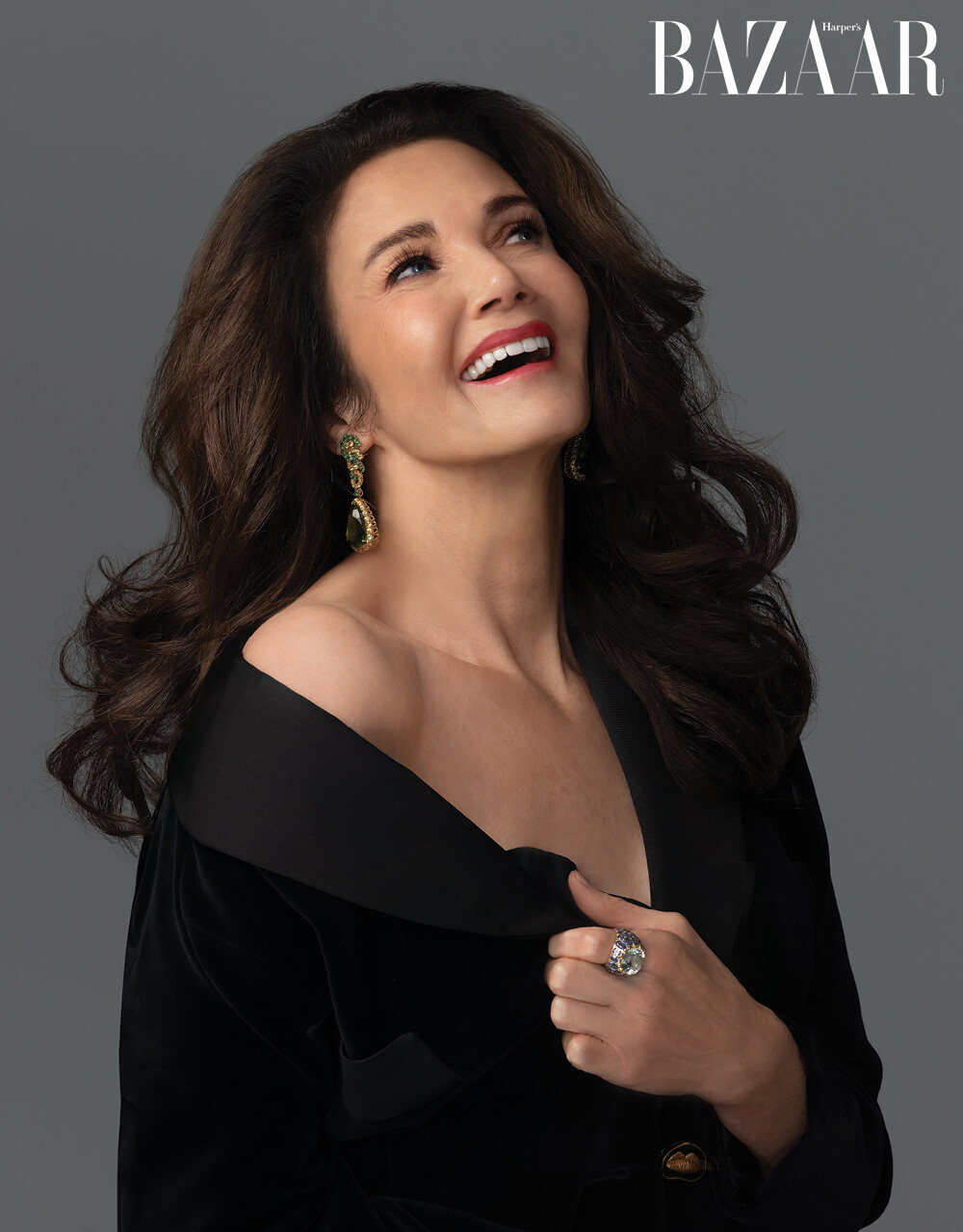
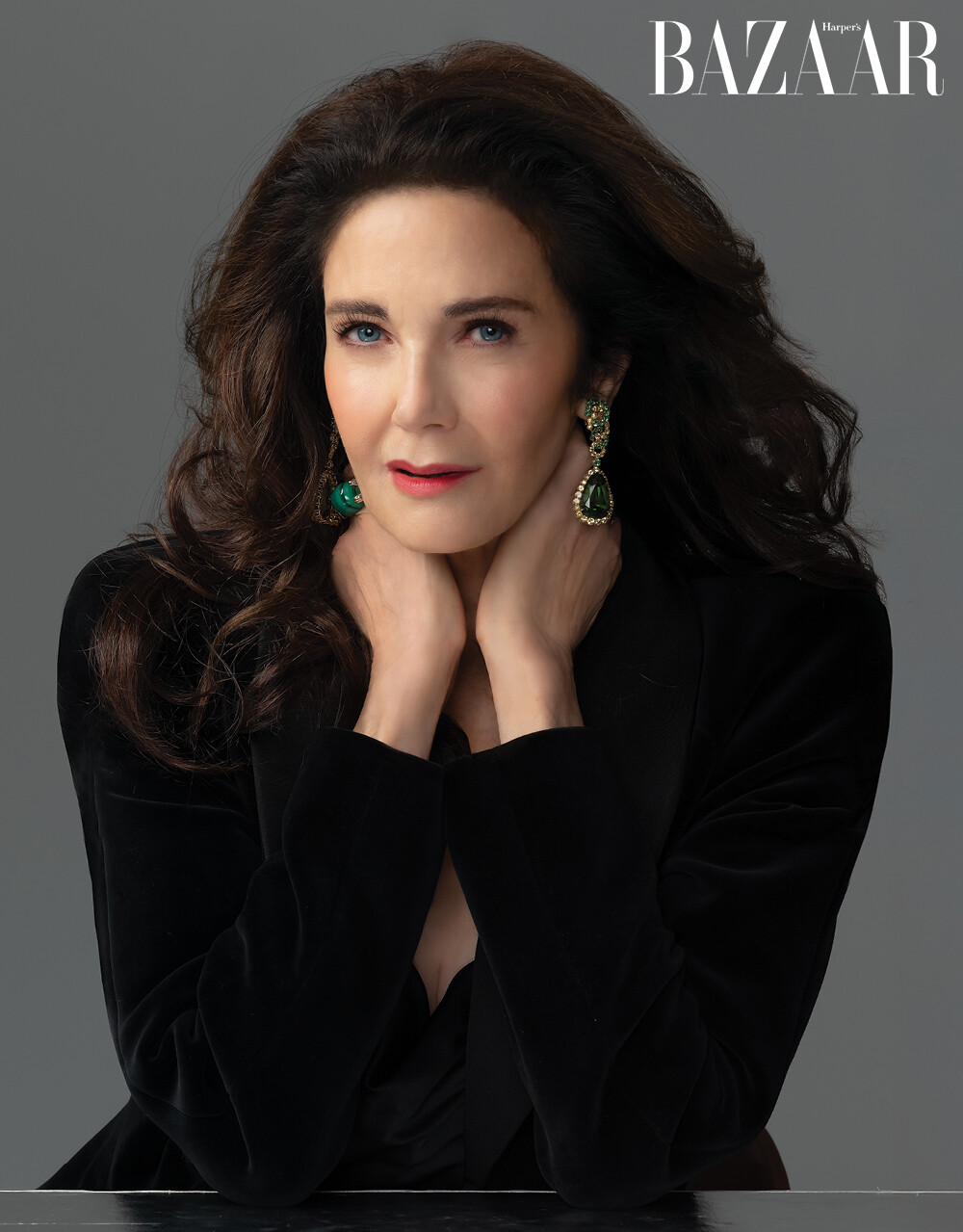
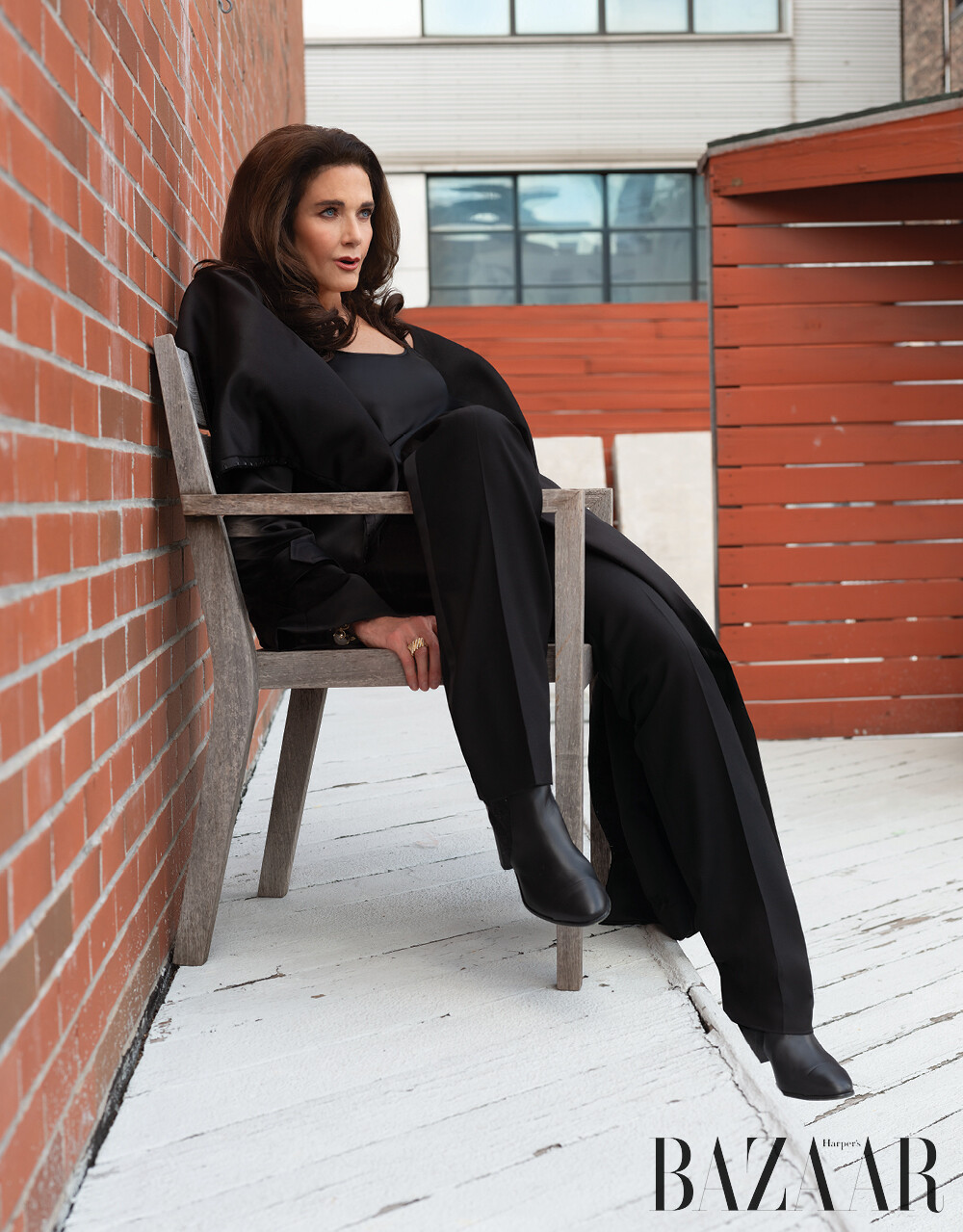
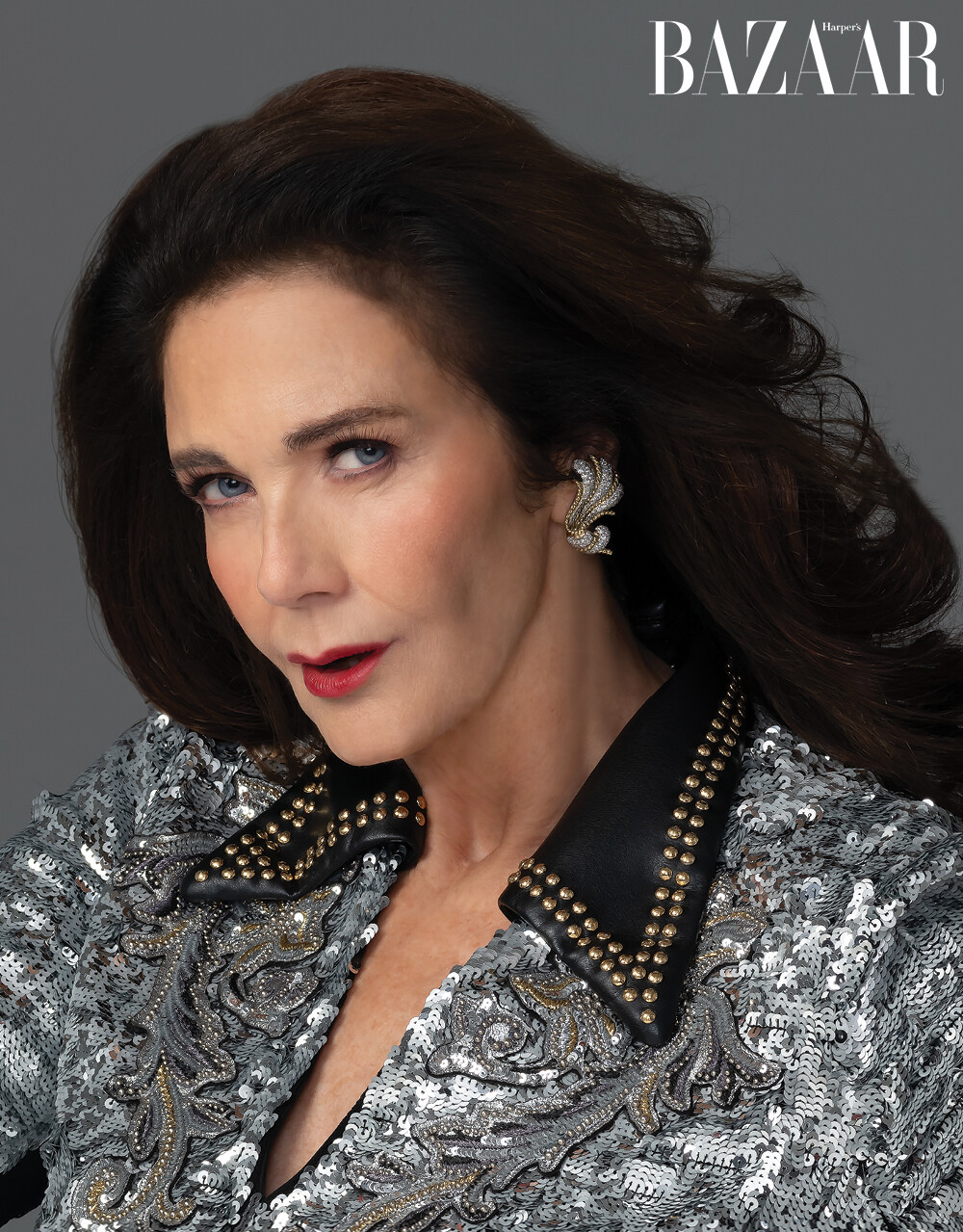
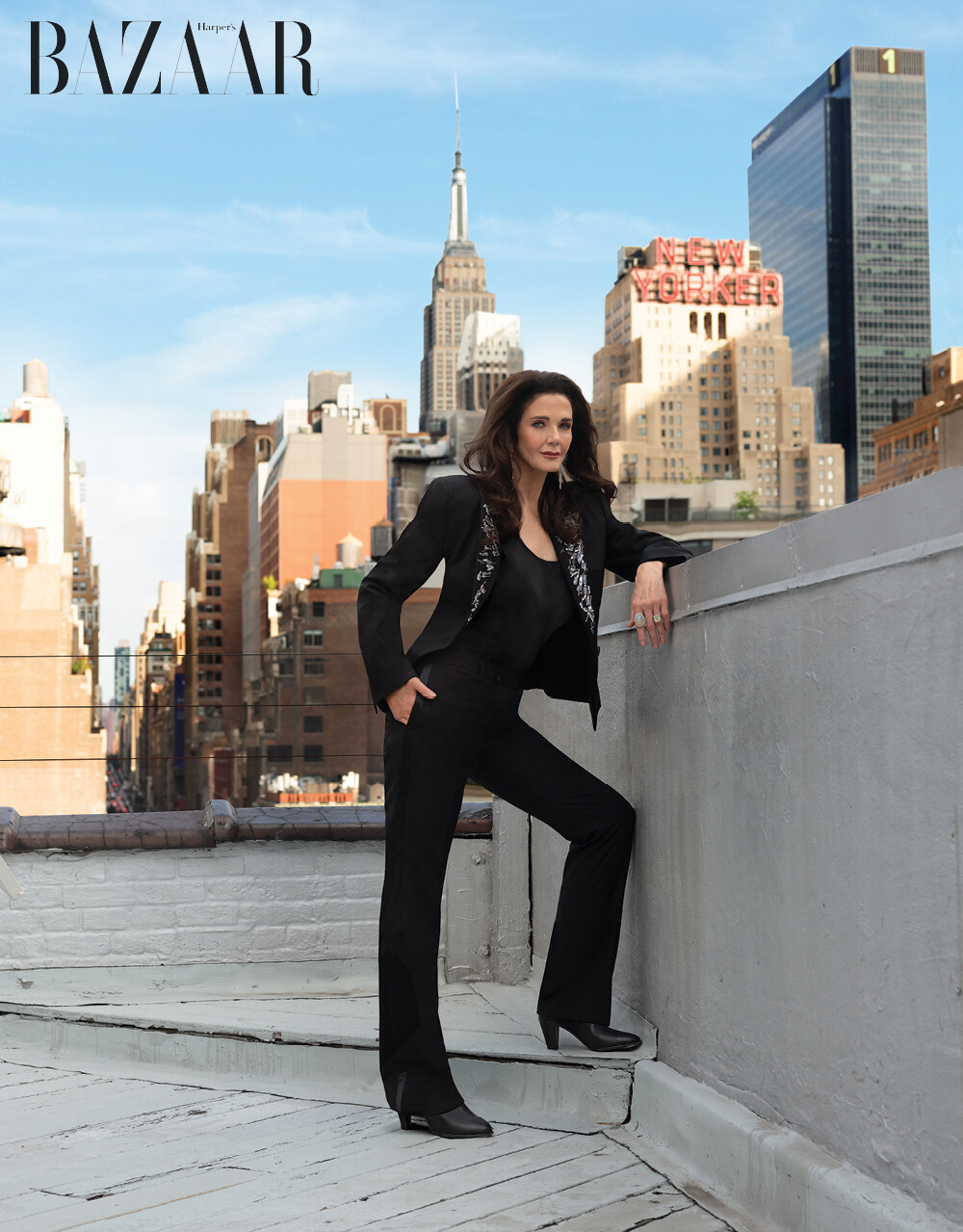
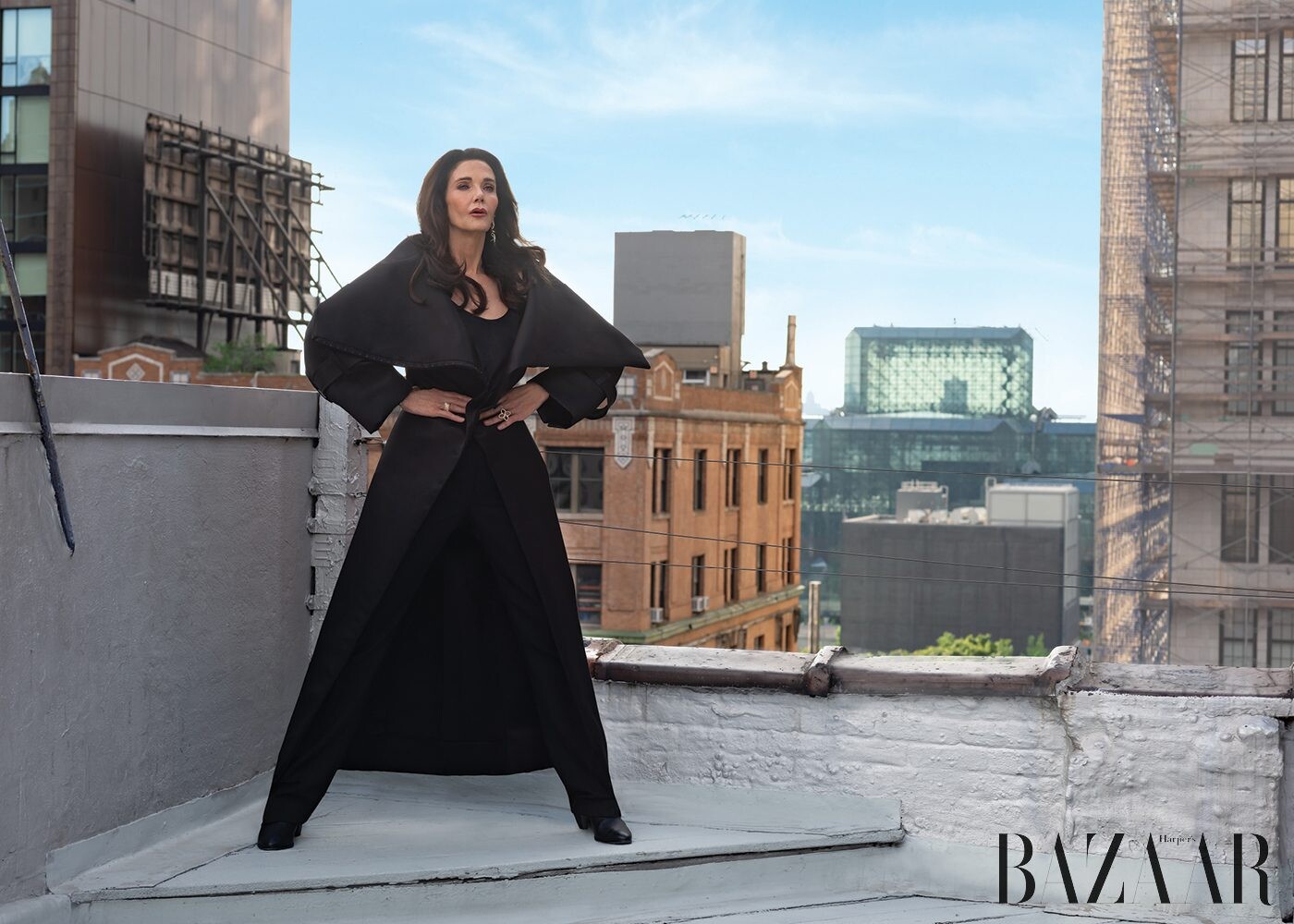
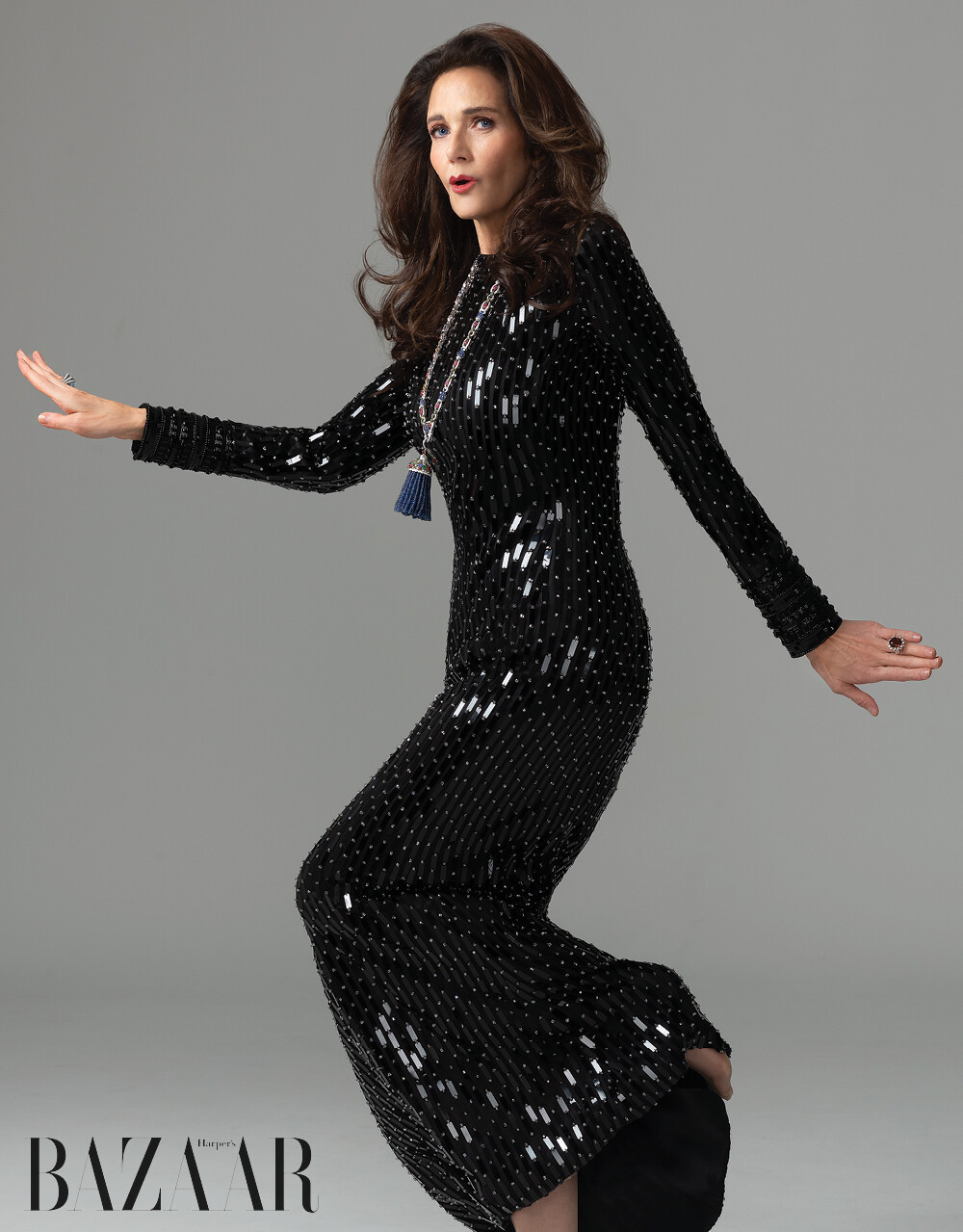
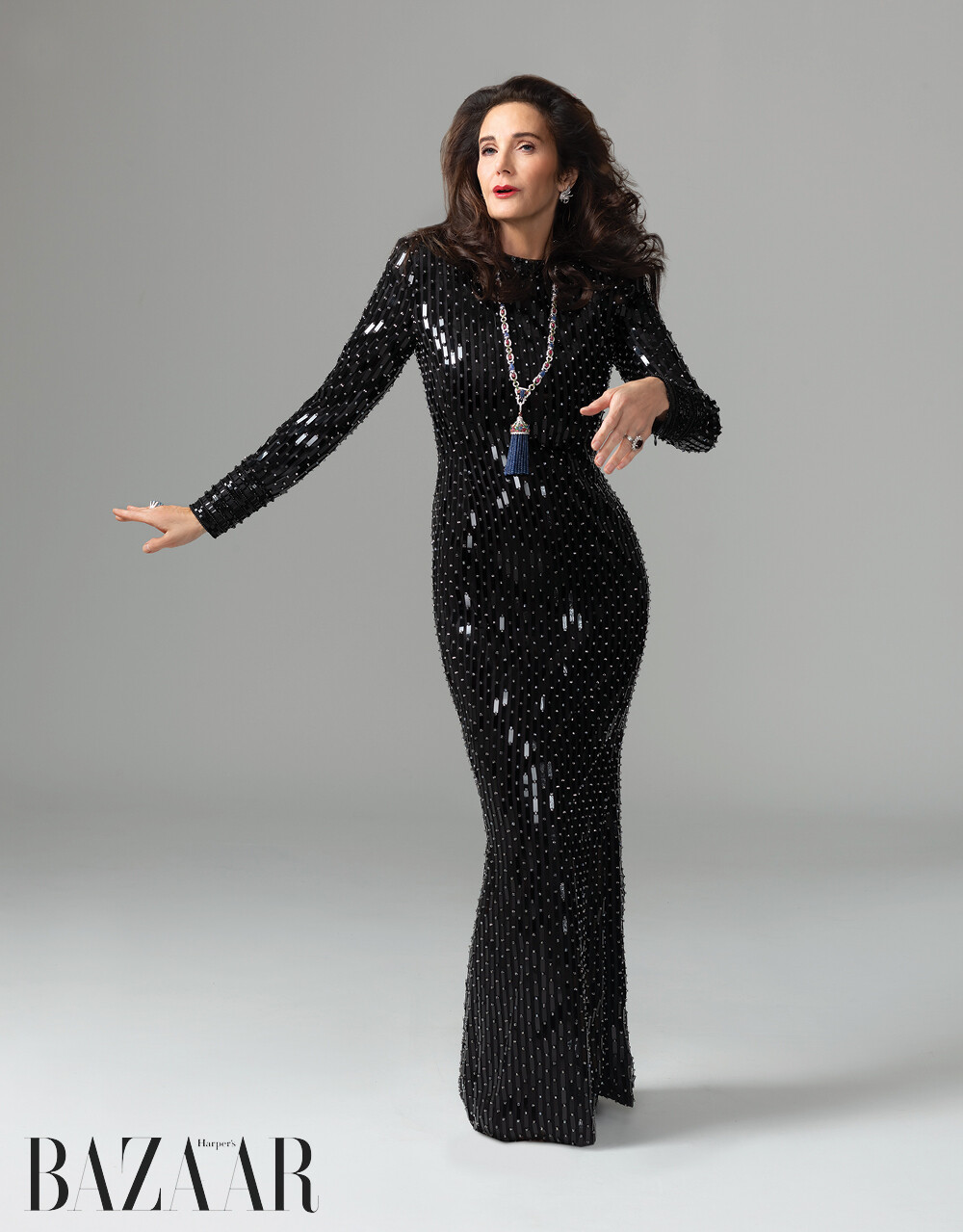
The interview
Lynda Carter interviewed by Coco Rocha
Lynda Carter was the first to portray Wonder Woman in the 1970s television series. Her timeless beauty, acting talent, and unique charisma have left a lasting mark on the history of popular culture.
In this special conversation, model Coco Rocha sits down with the legendary Lynda Carter to discuss empowerment, fashion and legacy. From her iconic role as Wonder Woman to her deep appreciation for the artistry of fashion, Lynda shares her journey of self-expression, strength and kindness. With humor and wisdom, she reflects on the pressures of staying relevant, the importance of supporting one another, and the lessons she’s learned from both her career and personal life. Coco and Lynda explore the evolving role of women in the industry, the power of dressing for yourself, and the value of passing down wisdom to the next generation. This conversation is a celebration of creativity, sisterhood and the timeless pursuit of authenticity.
COCO ROCHA: Today, I am here with the one and only true icon. I know that word is thrown around too often.
LYNDA CARTER: It is?
COCO ROCHA: Oh, yeah, people say “icon” about anyone, but I have a true icon with me today. I’m talking to Lynda Carter, and I’m kind of overwhelmed, to be honest. Watching you all day today has been incredible and life-changing. I know you think I’m just saying those things.
LYNDA CARTER: That is so kind of you. Thank you.
COCO ROCHA: Okay, let’s do it. You and I actually met at a Jean Paul Gaultier show.
LYNDA CARTER: Yes, we did.
COCO ROCHA: Gaultier has a special place in my heart, and I know yours too. We’ve seen you in some pieces, but is there anyone else you can look back on and say, “Those individuals in fashion, I really love their clothes, but I also love them as people?”.
LYNDA CARTER: My first experience with couture or fashion, really, was at Warner Bros. Studios. And when they made Wonder Woman costumes and they were doing everything, I was really understanding what it took to make that costume. I mean, they used real whalebone in the corsets that they made for me for the show. And I met Donfeld, who did the costume. And then I did a bunch of specials and I had Bob Mackie and I have so many of his great costumes. He did costumes for Carol Burnett, and Cher, and for so many of the big specials of those days. It wasn’t necessarily high fashion, but it was that kind of detail that was so specific that made it exciting to be put into those clothes. And then in the eighties, I started to understand more about fashion—by going to MoMA and attending fashion balls, that sort of thing.
COCO ROCHA: Learning along the way. It’s not like you could Google any of this.
LYNDA CARTER: You couldn’t Google it. There was no Google at that time.
COCO ROCHA: You were pretty much thrown into it and had to just observe, which is kind of the best way.
LYNDA CARTER: Yeah, it really is. Learning about it, understanding and coming into it, and having a young woman’s appreciation for fashion. Instead of following fashion, it’s developing an understanding of what looks good on you.
COCO ROCHA: A lot of designer friends of ours are so frustrated with the idea of a stylist coming in and taking all the credit. And the designer’s like, “Hey, I did that”.
LYNDA CARTER: Designers are the ones that do it. And the stylists are wonderful in that they can put different looks together, as opposed to just one designer. A stylist can mix and match and do some things like that for a wardrobe or something. But a designer is a designer. A designer works their tail off. You are not a mannequin. And you said something to me earlier that was very interesting. You said, “They’re not interested in me; they just want me for the post”. I think that’s nonsense because there aren’t a lot of you. There aren’t a lot of people that can put on a dress and really make whatever you’re in come alive. And that’s artistry. That is difficult to find. If it were easy, why not just put it on a mannequin or a little stuffed doll? Because it doesn’t work. If they could do it, they would do it because it’d be a lot less expensive. So please don’t undermine the models that you put your dresses in, or the people you put on your covers. I’m tired of people acting like their faces, bodies, and how hard they work doesn’t matter. I think that they should be celebrated. The models should be celebrated and treated with dignity.
COCO ROCHA: That was the best. Thank you. I say that to the young generation of new models I work with, and they don’t believe me.
LYNDA CARTER: It is about value and humanity in what we do. And we need each other. We need one another. And as we pass down our art to one another, as you helped me produce what we did today—a cover for a beautiful magazine—all the people around us, each one of them, deserves a thank you. Working with you, Coco, as you showed me your moves and what you do, helping me to look as fluid as you do on film, made me feel more at ease on camera doing this today. So, as we pass these things forward—whether it’s politically, in business, art, photography, or whatever—I learn from the younger generation what I have taken for granted for many years.
COCO ROCHA: Entering this industry, I had my own preconceived ideas of what a model was, and I was expecting frivolous people and ridiculous dresses, and that models were these Zoolander-type characters. Fast forward 20 years, and I’m now trying to train and empower a new generation to be smart business men and women. We’re showing the world that fashion isn’t just about appearances; we can push boundaries. As you mentioned earlier, we’re thoughtful, mindful, and smart. So, how does the connection between fashion and empowerment actually come together?
LYNDA CARTER: I think that how we dress is how you feel about yourself. And I think we all experienced this during COVID. We all started just dressing down, and further down, and further down. So, I was with my husband, and I came downstairs and I was dressed nicely and I had my jewelry on and he looked at me and he said, “Lynda, what’s going on?”. And I said, “Honey, I just wanted to wear the jewelry that you’ve given to me throughout these years, and I wanted to look nice for you”. And he looked at me and he said, “Oh, that’s great. Thank you, honey”. And it made me feel better and it made him feel good. And somebody came over and they said, “What are we dressed up for?”. And he said, “No, she does it all the time”. And he passed away a few months later. But, anyway, there is something about it, when you put something on. You’ve got good jewelry that your grandmother gave you, or your mother gave you. What are you saving it for? People say, “Oh yes, I get that one necklace out every Christmas”. Well, wear it every day. Wear it with a pair of jeans and a nice jacket. That just makes you feel good and put together. And that’s kind of how I feel empowerment works.
COCO ROCHA: So many people look at you as an inspiring portrait of feminism, and it’s a picture, but a picture is also a thousand words.
LYNDA CARTER: But I don’t do it so that I have other people look at me. I’m doing it because I found that I like a classic look for me. I like a jacket and even if it’s a pair of jeans, I’ll put some nice jewelry on or I’ll throw on something that just makes a little bit of a statement. I’m not too fussy, and I can do my sloppy look too. I can do it really well.
COCO ROCHA: I guess my way of saying it is thank you, and thank you to anyone that has always been part of the arts.
LYNDA CARTER: It’s the same with seeing a film. When you just say, “Eh, I thought it was a bad film”, or “Eh, I didn’t like that show”, you have no idea the years that someone put into their education, or for someone who is a designer, the amount of work that goes into creating these pieces, just to be kind of thrown away. It’s so heartbreaking. Without art in our lives—without the Kennedy Center, and PBS, and art schools, and teaching our children about their creative selves—we lose something so vital. What you find in the heart of any creative person is this substance of creativity that blows your mind. Their backgrounds are so varied, and it’s thrilling. You find out so much from creative people in all walks of life. If we could give the gift of curiosity to each human being in this world, we would have peace in the world. I also think that kindness at times escapes me.
COCO ROCHA: Really?
LYNDA CARTER: Yeah, I do. I think that kindness, when you live in a little bubble, like celebrities do at times, you forget about reaching out in kindness to just everyday people and just stopping to really understand that an old person that you see on the street just needs a smile.
COCO ROCHA: I usually think people that recognize the need for kindness, do it already, and they just want to get better at it. I do think that when we are in this world, where we are expected to be lovely, appealing and vulnerable, the moment you might say, “Here’s the line, don’t cross it”, is when people react saying, “Whoa, she’s a bit too much”.
LYNDA CARTER: It’s true.
COCO ROCHA: It’s especially not fair, when you start young. You’re trying to please the adults in the room and make them happy, but eventually you reach a point where you’re going to have to say, “Enough is enough”.
LYNDA CARTER: Well, because you’re young and someone is taking advantage of you.
COCO ROCHA: You have to build these walls to protect yourself.
LYNDA CARTER: Yeah.
COCO ROCHA: For kind people, it’s tough in an industry like this. I’m a people pleaser and I’ve always wanted to make everyone happy, but I do realize there’s points when I have to stop, and then it comes off like I’m not kind, or that I don’t care.
LYNDA CARTER: I just don’t believe that for one second.
COCO ROCHA: Well you know, I don’t believe what you said earlier, either! But it is true.
LYNDA CARTER: I don’t believe what you said for one second. You’re too kind. And you’re funny. And you’re even kind of corny. So that’s really good. I’m totally corny. I say silly things and I get myself into a lot of trouble.
COCO ROCHA: Me too.
LYNDA CARTER: Because I speak out about everything and the people that work with me.
COCO ROCHA: You portrayed an iconic woman, Wonder Woman. What’s it like now, seeing over the years how that role has taken on a life of its own?
LYNDA CARTER: Watching someone take my place?
COCO ROCHA: Yes, taking your place, but also watching this creation that you embodied so boldly being interpreted differently. I’d love to know your thoughts on this, and also the idea of replacement, because it is something we models deal with also.
LYNDA CARTER: Well, for me, I think that there’s sort of an indelible thing, and I’m grateful to Gal Gadot and Patty Jenkins. They’re very good friends of mine. I adore them, and I tell you, there’s something special about someone who truly understands Wonder Woman—someone who gets it, owns it, lives with it, and is identified with it. So, that camaraderie between Gal, Patty, and myself is really a solid one.
COCO ROCHA: Yeah, it’s beautiful.
LYNDA CARTER: That friendship is beautiful. There is something about the goodness, kindness, and humanity of Wonder Woman. But her strength! That she cannot be victimized is one of the greatest strengths. She does not victimize others; she protects. Her superpowers are those that are not on the aggressive side—she is the protector. And I think that, as women, we understand that strength—the juggling of 10,000 things at once that we do, and still have that fierce “mama bear” that comes through at times. We’re all tired of being threatened and put down, and I think we are all ready to have some change. It isn’t about men versus women, or men in general. It is that we have our voices and the voices of our men that support us need to be heard. And we support our men and our men support us—and that’s what needs to be talked about.
COCO ROCHA: Right, not one against the other. There is this frustration, though, when you have done something, and you’ve gotten so good at something and suddenly you’re being threatened with this idea of a replacement
LYNDA CARTER: I know, it really doesn’t feel very good.
COCO ROCHA: Women often feel so threatened by the idea of losing an opportunity that it creates a sense of competition. It’s as if, if I don’t compete with you, you’ll just replace me.
LYNDA CARTER: Right.
COCO ROCHA: The models I train come to me and they’re like, “I need to fight for this”, and I tell them, “Well, we’re a team. We’re going to fight together for this”.
LYNDA CARTER: Right.
COCO ROCHA: This idea of replacement, it also ties into being relevant. People are obsessed with staying relevant these days.
LYNDA CARTER: There you go, that’s exactly it—relevant. I think it’s being heard and relevant. I don’t mind moving along, but I’m still relevant, whether or not I can bear children. I’m still relevant when my children have left. I am still relevant now. I feel I am. I feel relevant. But I also know that this is my time not to be out front…except right here.
COCO ROCHA: Right now at this moment, for sure.
LYNDA CARTER: Now, this is my time to speak up and hand over every reign I can to you, to my daughter, to the people who work in my circle, to give them every opportunity I can to further their own careers, to give some tools to the people who are out there fighting for their own space and time in their lives, and to find my place as I move along in my life because things have changed a lot for me since my husband died. I realized that I built my life around my family, really. And with my husband gone and my children in their own lives, as they should be, like, what do I do now? I don’t have a sidekick. And my kids have got their own sidekicks. They can’t be worrying about mom. I don’t want them to. But it’s a new chapter, and I’m learning.
COCO ROCHA: It’s shocking that even people in their 20s and teens are so consumed with relevancy. That’s all they care about, “How am I relevant?”. And that’s scary because deep down, you’re not doing anything for yourself except chasing someone else’s applause.
LYNDA CARTER: To say you’re okay.
COCO ROCHA: Right.
LYNDA CARTER: Comparing yourself to anyone else and who’s the biggest dog in the room certainly isn’t healthy.
COCO ROCHA: So how do you think the world’s perception of strong women has changed since you started in this industry?
LYNDA CARTER: I think that I am more encouraged in a lot of ways. I see young women coming up that are going to make some changes in the world. I meet them particularly on the political stage—these smart, smart, smart women who are passionate about something, who want to create change. And I think that there has been a concerted effort to shroud us. In the seventies, we were just so liberated and so happy that we were getting everything—from being able to have a credit card in your own name without asking permission from your father or your husband. It was the nineties or something when women were first allowed to wear pants in Congress. I mean, there’s some ridiculous laws.
Anyway, we’re going backward, and we have to stop that—just stop that right in its tracks. It’s over. It’s done. It’s ridiculous. We’re all just shocked. I think that there were 20 or 30 years of complacency. And it really is the generational complacency, not ours. As soon as some old white guys got some power, they took it from us. And I think that we have to get moving. We all have to get moving. And we need you guys. We need you, as you have needed us all these years. We’ve stood by you, and it’s time to stand by us. I think that women are stronger now than we’ve ever been, because we’ve never had a time in our American lives where our rights, under what we thought were ironclad, were taken away from us in this country. It’s the first time that we’ve had our rights actually just stolen from us. Of course, I believe in childbirth. I have two children, and I lost a few. I believe in the right to choose. Of course, we enshrine the right to choose. I support you a thousand percent to have your child, and I support your right to have free school lunches, and I support your right to have prenatal care and postnatal care and all of it. And I think that the government should pay to put them through school. I support your right. You just don’t support mine.
COCO ROCHA: So you were saying there’s some strong women out there. And there was another strong woman I met the other day—Jessica
LYNDA CARTER: Oh, my daughter, Jessica.
COCO ROCHA: She came to my model camp and told me about her life experiences and what she’s doing, and I was amazed. She is in the arts, a musician, a writer and she’s modeling. Then she just casually says, “Side note, I’m also a lawyer now”. And I didn’t put two and two together or know that you two were related. And I love that. This girl works so hard for her opportunities.
LYNDA CARTER: She never even mentioned me?
COCO ROCHA: She didn’t, and you know why? Because we were talking about nepotism. I know you’ve had the challenge, as have I, of raising kids in an industry where, for my children, they will always be reminded, “Hey, your mom is the ‘Queen of Pose’ so, do you want to model?”.
LYNDA CARTER: Right, right.
COCO ROCHA: I understand the idea of wanting to do it on your own, and I love that. I love how Jessica wants to carve out her own path, but she knows that there have been people in her life that have gotten her to this point – especially her strong mom behind her. So, anyway, what I want to ask is: what advice would you give to strong businesswomen who are raising the next generation but fear overstepping and overshadowing their children’s dreams?
LYNDA CARTER: I overstep all the time and you have to have a strong enough daughter to say, “Stop, Mom”. In raising strong children, you have to give them permission to say, “That’s enough, and you’ve hurt my feelings”. I am thrilled that she does this. She’s doing it on her own, the way she wants to do it. She’s had to deal with it, but she doesn’t want that to be sidelined: “Jessica Altman, daughter of Wonder Woman”.
COCO ROCHA: You mentioned how the next generation can do better. One of my biggest fears is that my children will look at the fashion industry, and what I’ve done, as frivolous, “You talk a big talk about your inner beauty, but there you are, standing there with a full face of makeup, full hair, and you’re selling this world”. As their mom, I’m always telling them, “We don’t judge our bodies. We don’t judge other people”. How fearful I am of what the industry did to young me. So, that’s the question: Because of everything you went through, what was the message you felt needed to be taught?
LYNDA CARTER: I think you’re going to laugh at me, but it was really that I kept them away from everything I did. They kind of sort of knew about Wonder Woman. But, one time, Wonder Woman was on and I turned it on for Jess, and she said, “Can I go back to my cartoons now?”.
COCO ROCHA: They really humble you, don’t they?
LYNDA CARTER: They’ll say, “I didn’t know that mom was so famous”. I mean, I kept them away until they were teenagers, really. And, education, education, education. We took them on a lot of things, like ski trips and sports, and we were doing all that. So, I think they had a pretty normal childhood.
COCO ROCHA: So, little you walks in. What’s the piece of advice that you’d like to give her, or just something you’re gonna let her know?
LYNDA CARTER: Okay. I remember being a small girl on the grass, looking at it, and thinking, “There’s a whole world in there. Little creatures and little things”. In Arizona, you can look up into the sky at night and see the whole night sky. To me, they look very similar. My brain went to different places than other people’s brains. What I saw in there, I could not explain to other people. There’s my scientific side, my nerdy and geeky side, now you understand that the way that things swirl and galaxies and all that. And it is my passion. And that’s part of how I see music, how I see art, and how I see layering of different things. So it was really a sense of curiosity, I think, that I discovered about that little girl that I knew I could not express to other people. I knew what I was seeing was real and where that took me was very different from the people around me. So I knew I had to break free of that in order to find my place in the world.
COCO ROCHA: So pretty much, safe to say, you now would be saying, “You were right, you did it”.
LYNDA CARTER:Yes, your instinct tells you the right thing to do, and as you breathe in, even if you’re a little nervous, you take that step into your future.
COCO ROCHA: My instinct was to come on this set, and to hang out with you. And my instinct was right. This has been so fun. One question people ask me is like, “What makes you nervous on your photoshoots or runways?”. And to be honest, I don’t have that anymore. I kind of lost it, which is sad. But last night I was like, “Ooh, I’m a little nervous”.
LYNDA CARTER:I was too.
COCO ROCHA: And I’m thankful for that feeling. So thank you for inviting me and letting me be here. When I got that call asking if I’d like to do this I was like, “Of course, is this a joke?”. I really appreciate it.
LYNDA CARTER:Well, it’s really Jessica. She said she had such a great time. And then when your name came up, I said, “Oh! Yeah, we know her”.
COCO ROCHA: Yeah. Guess what? I have some good… or bad news.
LYNDA CARTER: Do you?
COCO ROCHA: We have to go do some more photos.
At the end of the photo shoot:
COCO ROCHA: What a great interview with the amazing Lynda Carter!
LYNDA CARTER: I’m with her.
Seventeen Magazine - 05/1977