Astronomy
69 replies · 10637 views



1 hour ago, Enrico_sw said:
thank you!! 
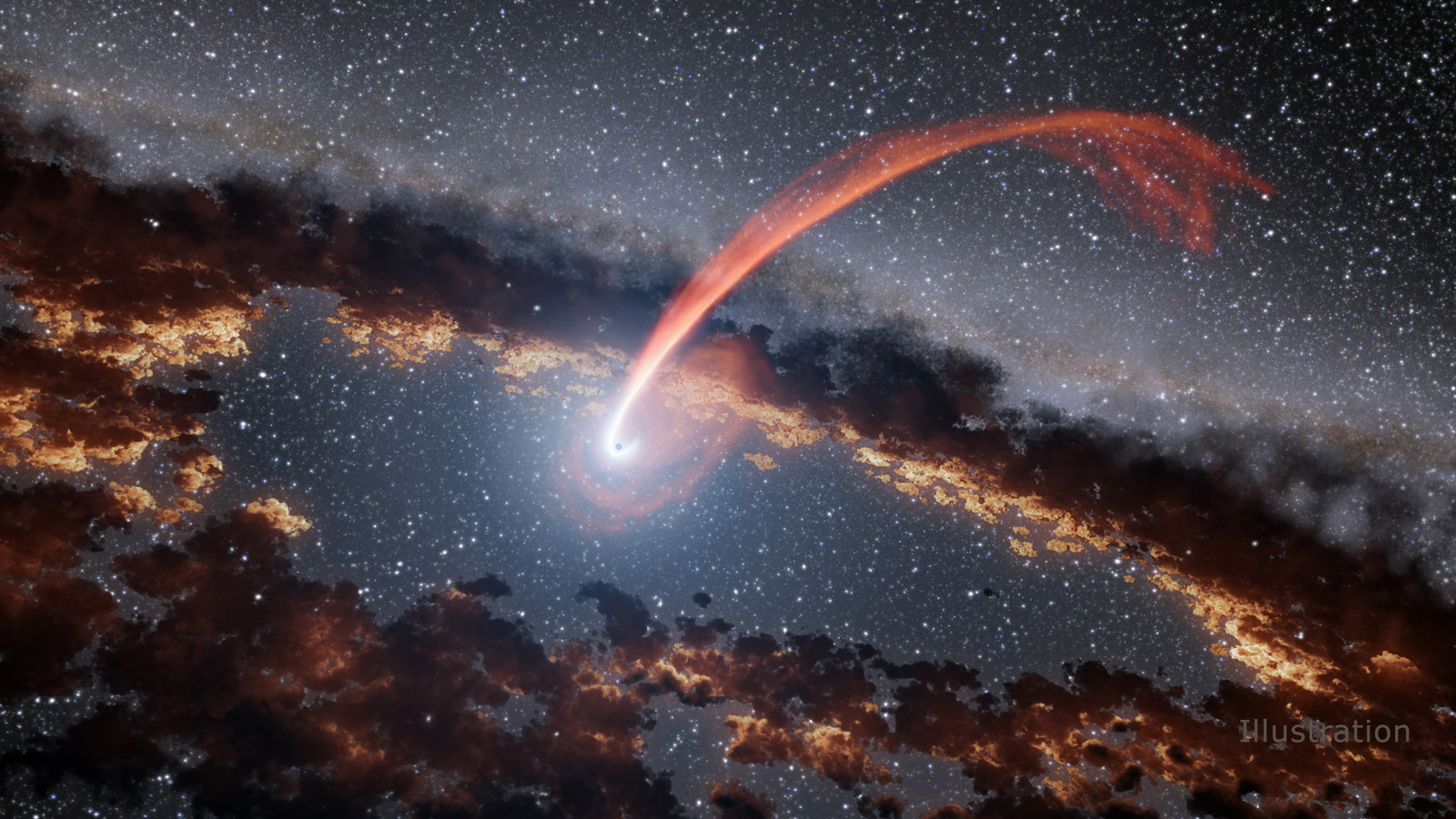
An artist's impression (illustration) of a star being devoured by a black hole and showing a glowing stream of material
(Nasa)
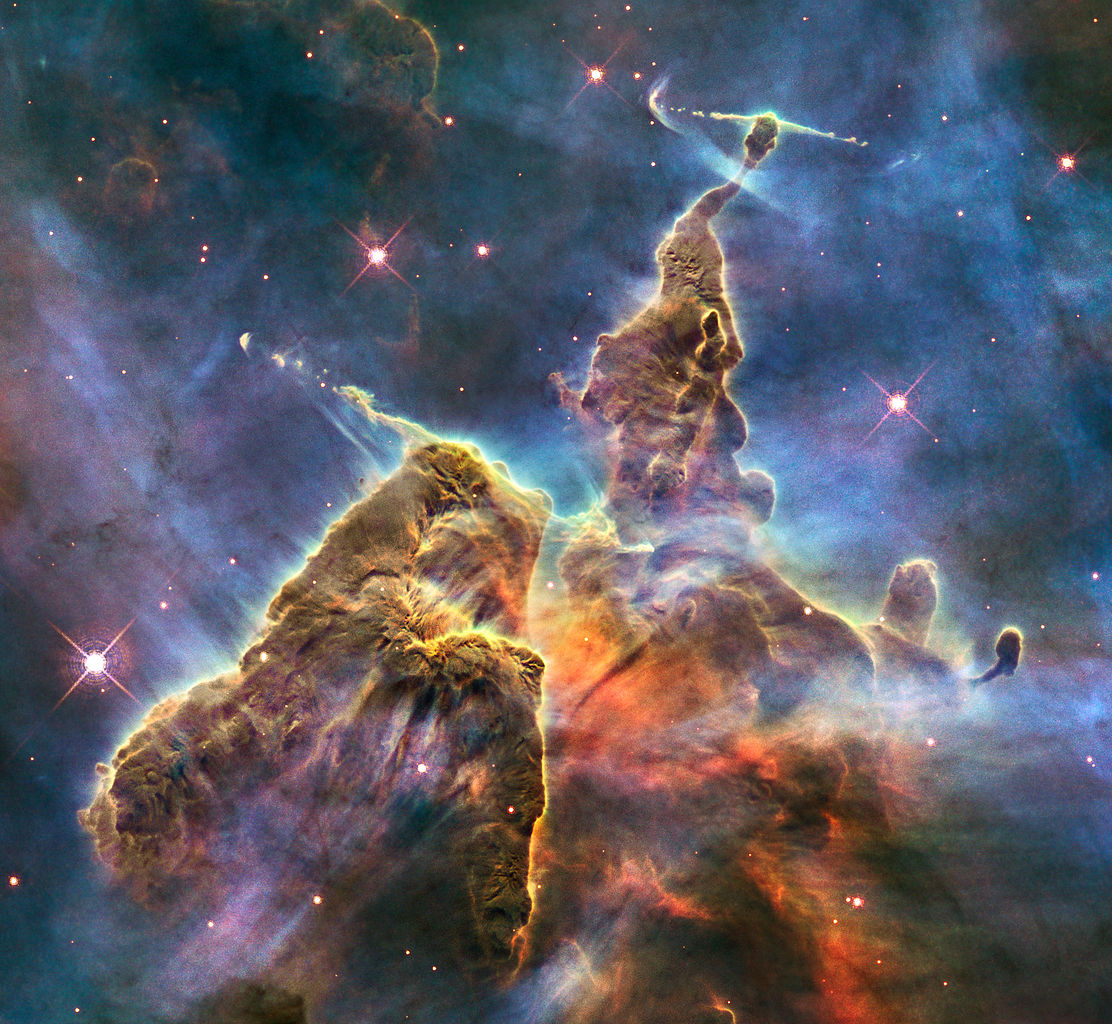
Carina nebula
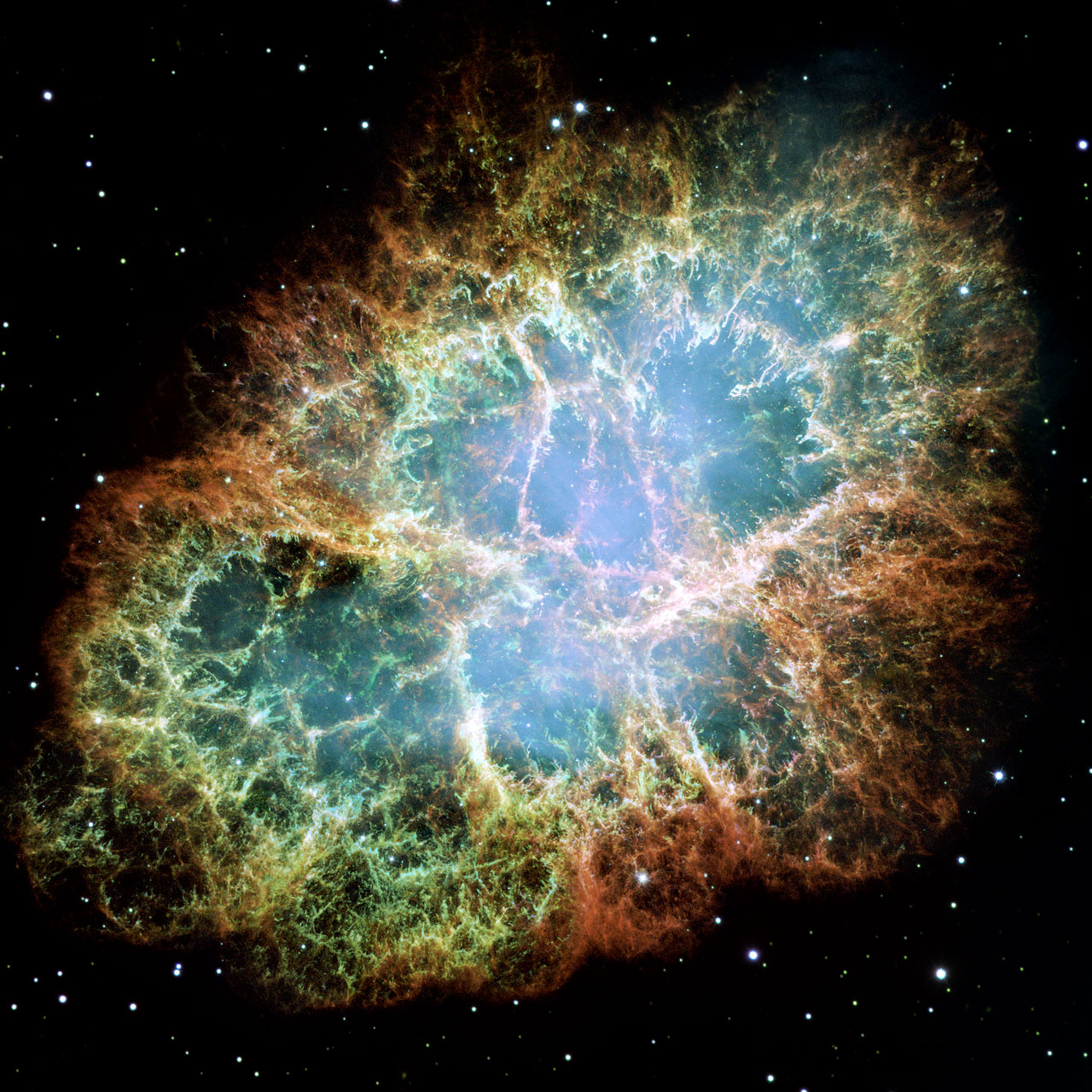
Crab nebula
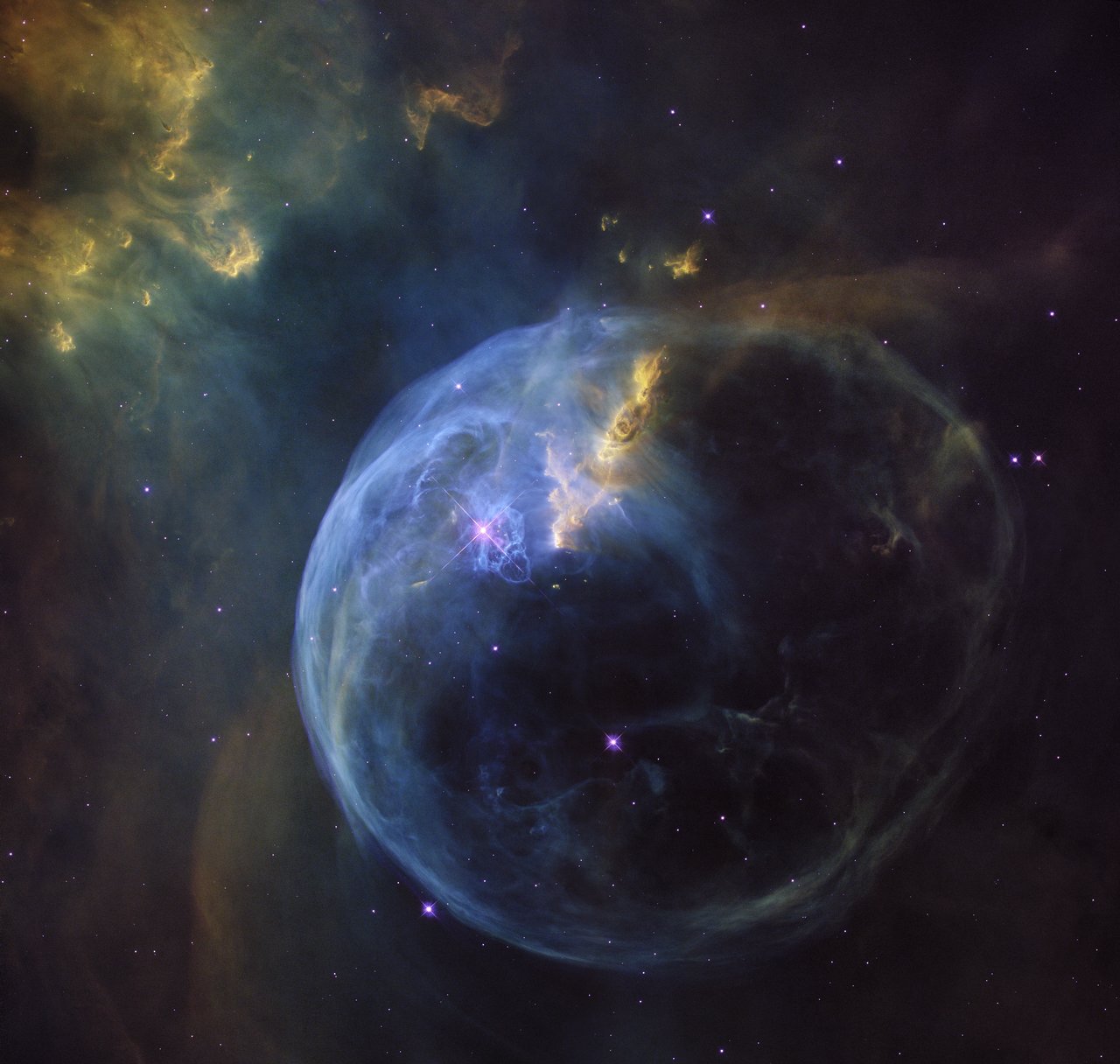
Bubble nebula
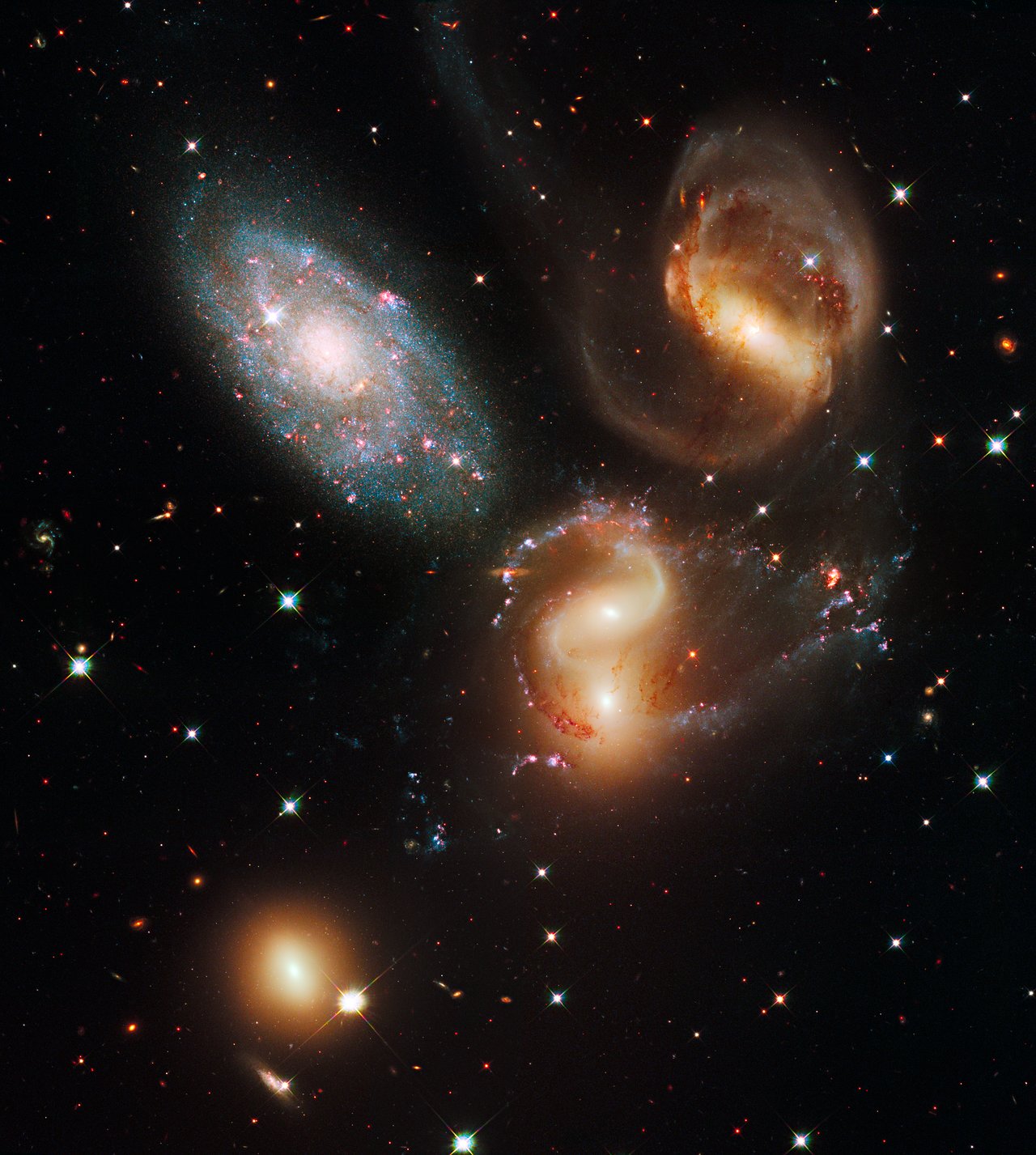
Stephan's Quintet (by Hubble)
(It's a visual grouping of five galaxies. In reality, one of them is closer, but the 4 others are really forming a compact galaxy group)
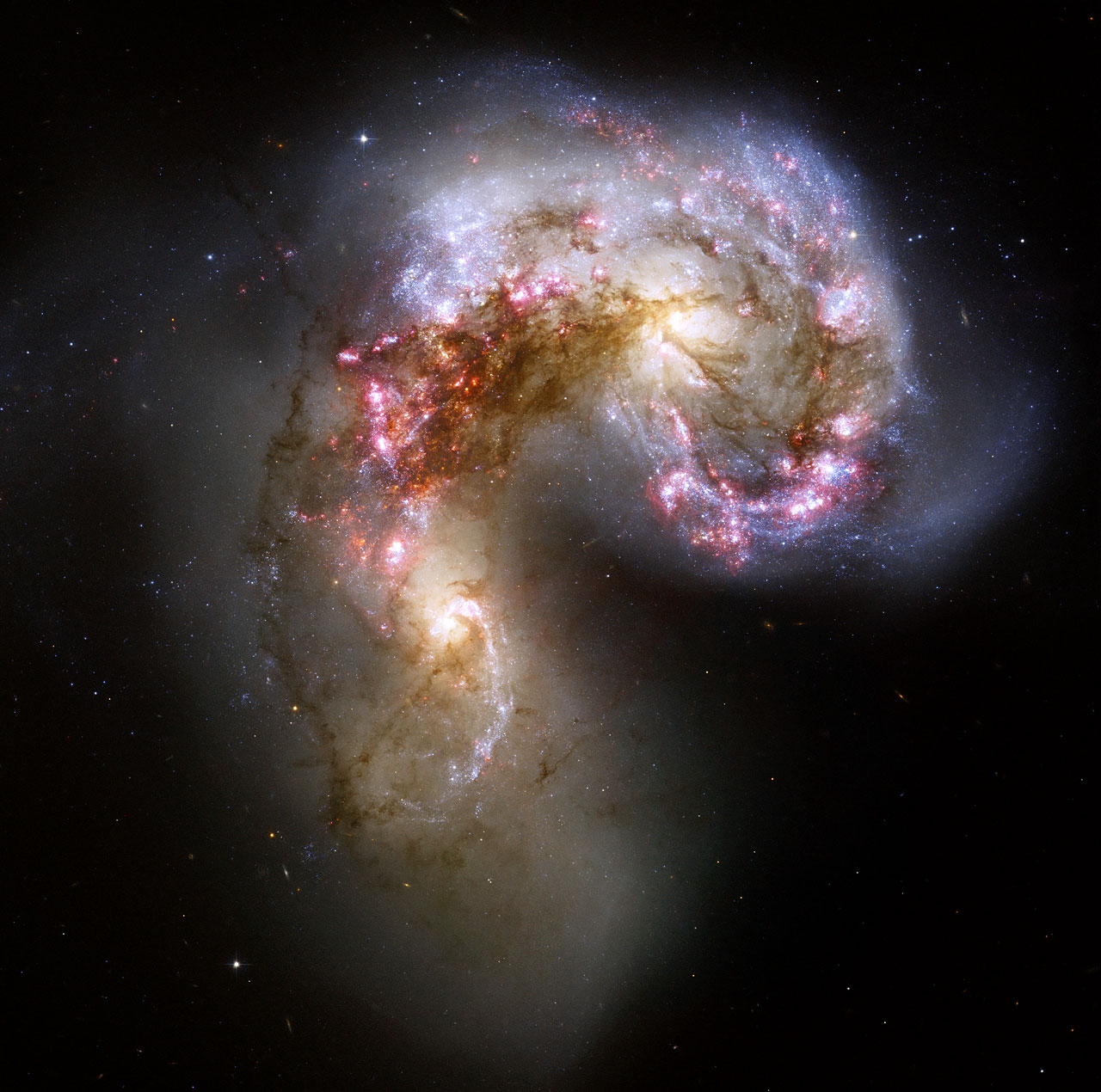
The Antennae Galaxies
(They are a pair of interacting galaxies. It's a galactic collision, or, in star's language, it's about galaxies making love...)
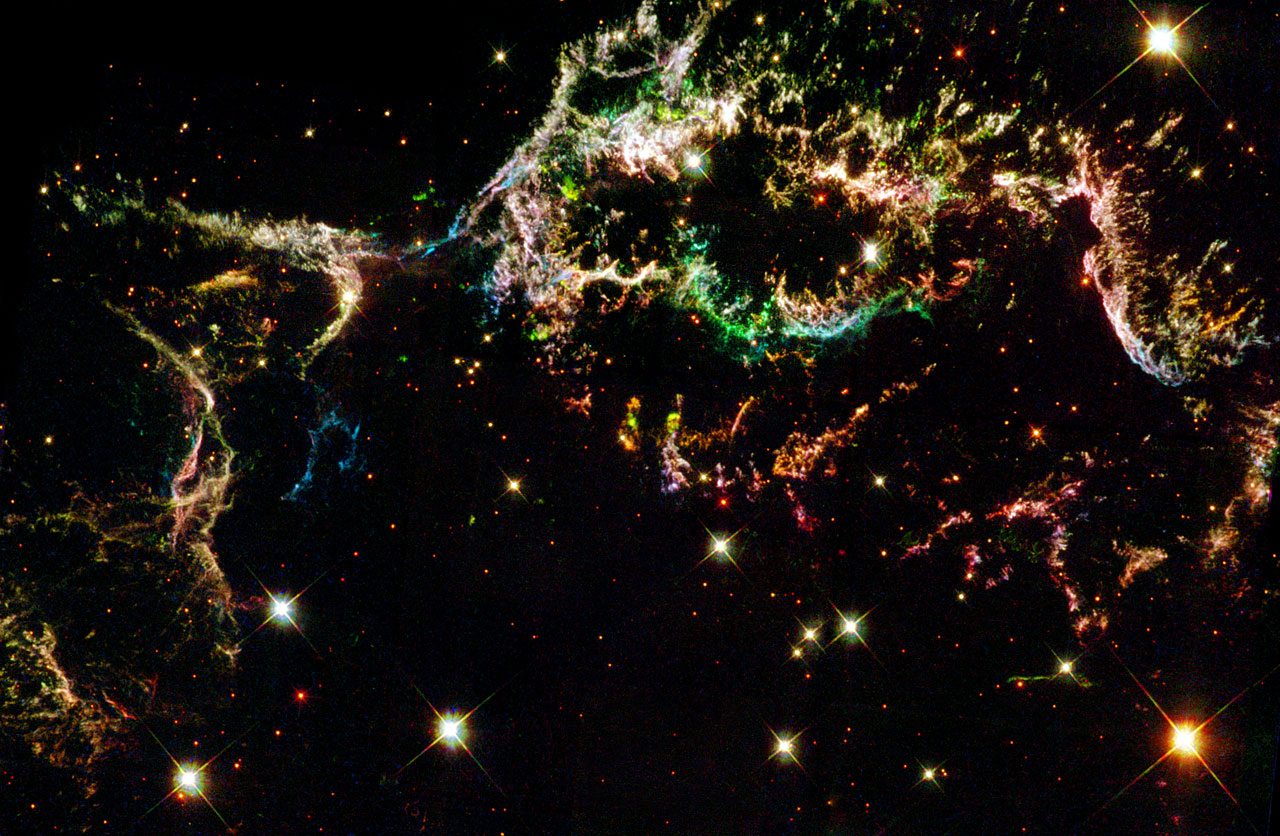
Cassiopeia A
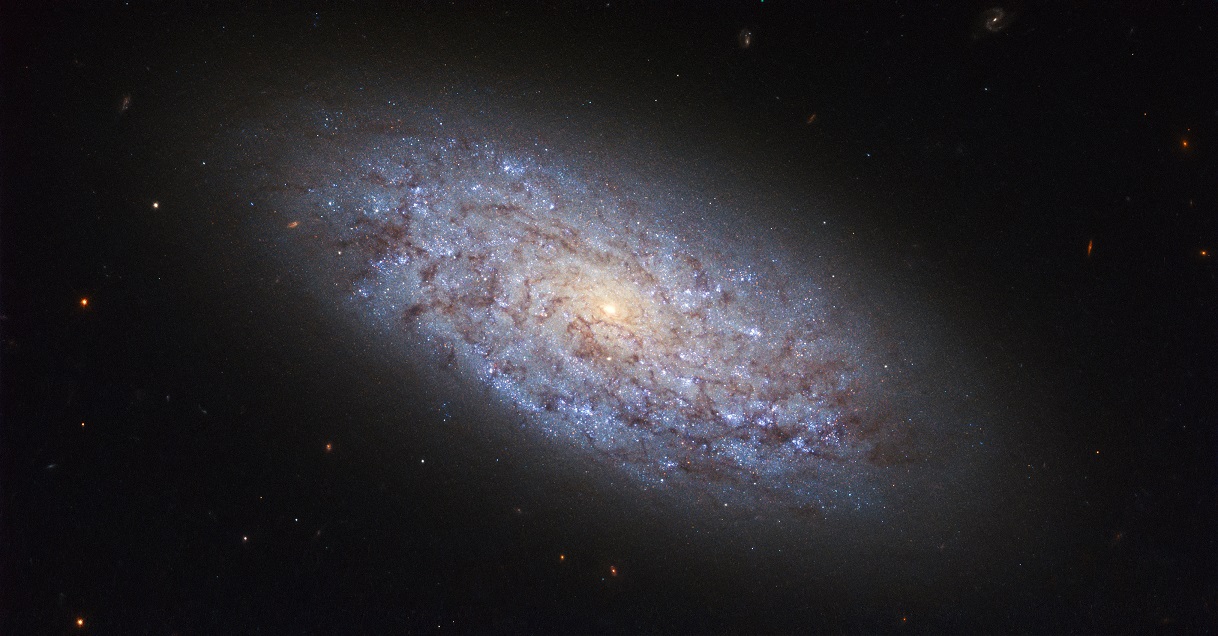
NGC 5949 (it's a dwarf galaxy about 44 million light years away. It can be seen by pointing at the constellation of Draco)
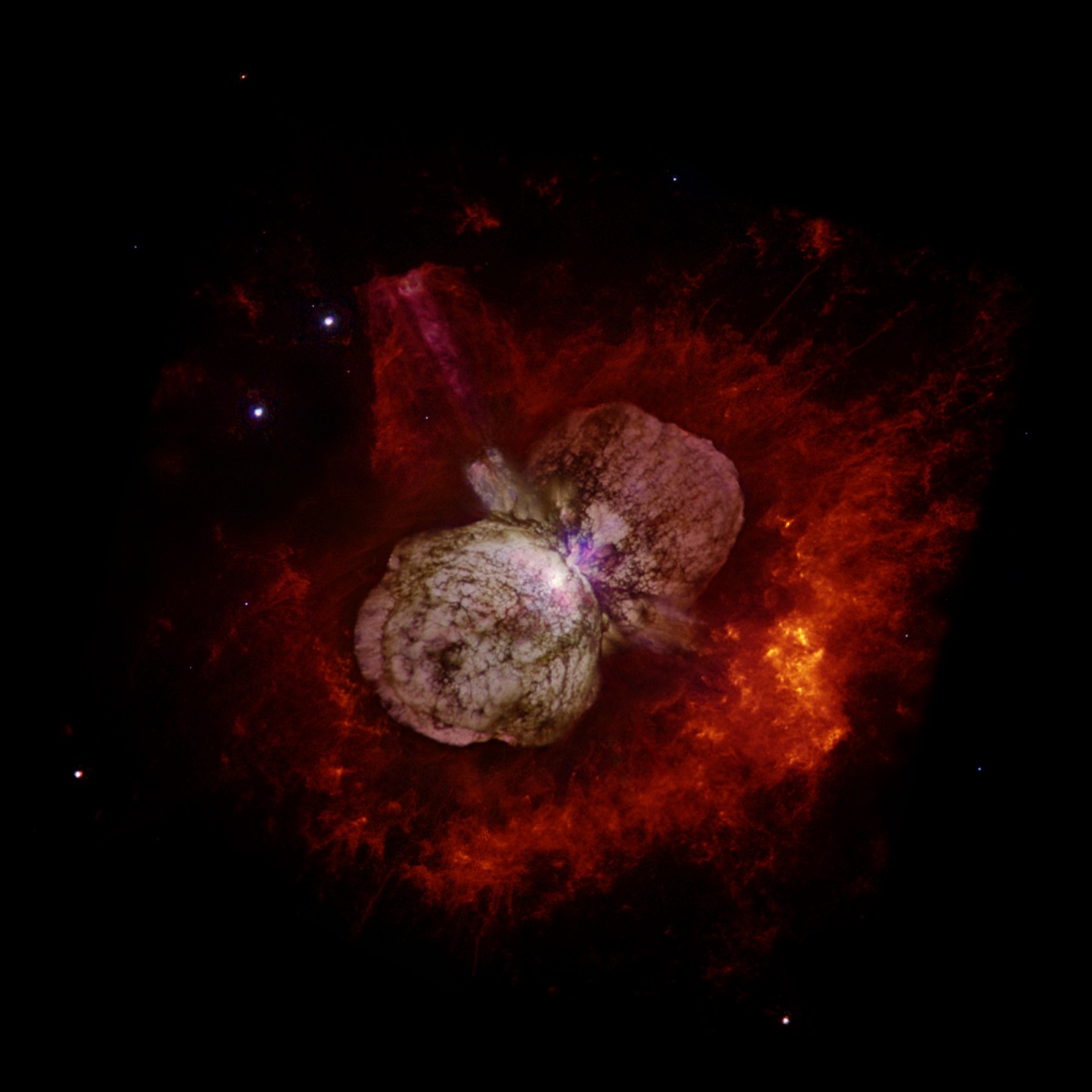
Eta Carinae (η Carinae) is a stellar system (of at least two stars) in the consetellation of Carina (hence the name  ). In 1837, started the Great Eruption! (it actually happened around 7000 years ago, but we saw it in 1837 because Eta Carinae is around 7000 light years from us
  ). The eruption lasted 18 years and then there was another one in 1887.
One day there will be a supernova there and it will be great to see it!
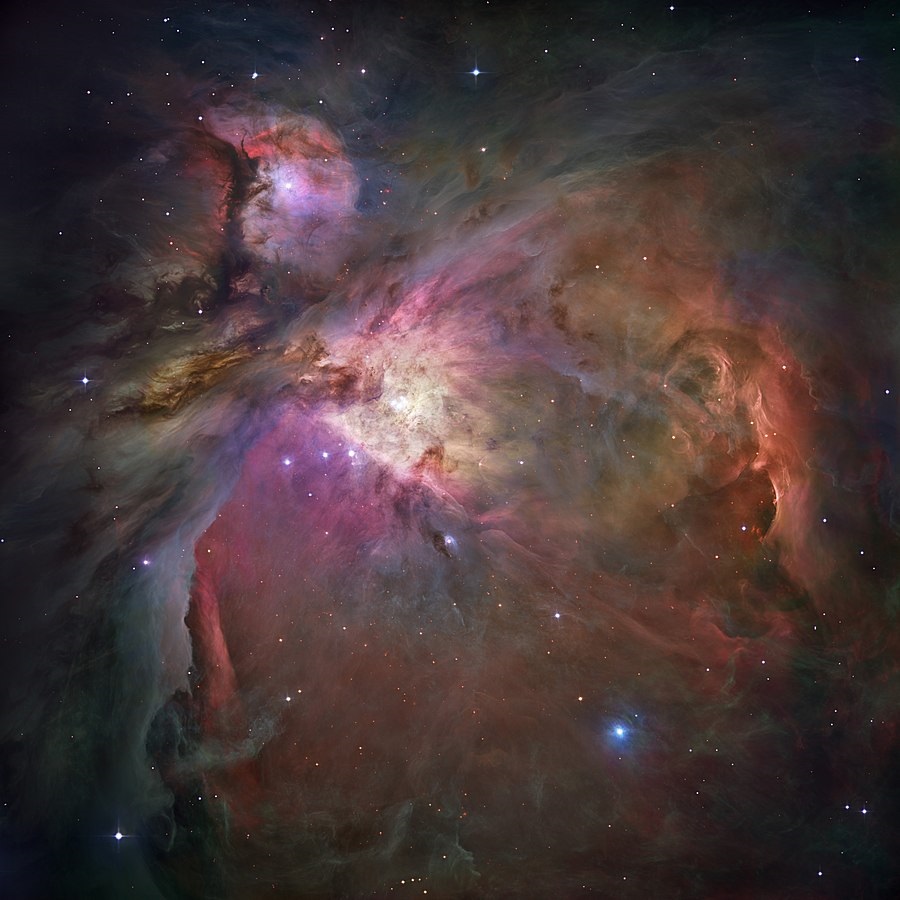
The Orion Nebula (aka M42)
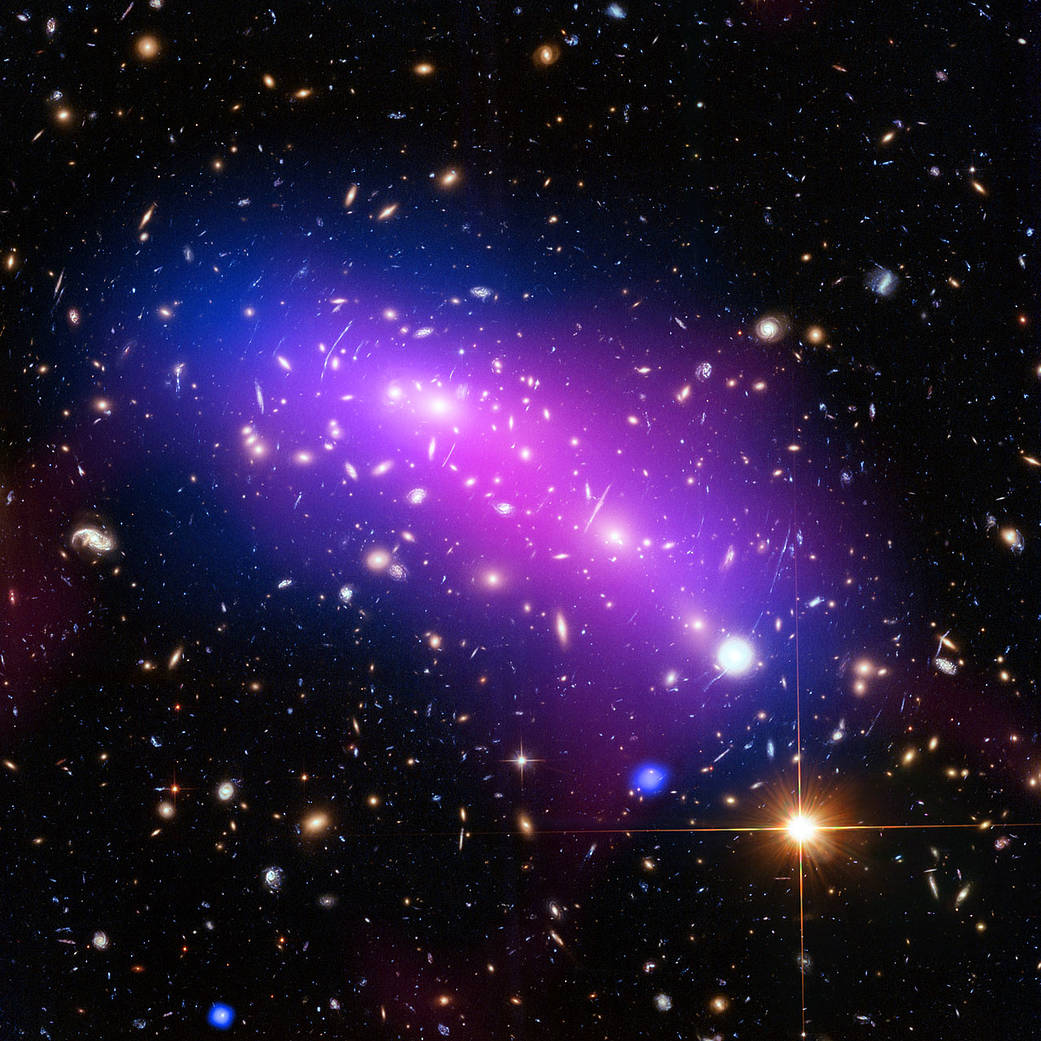
Cosmic Kaleidoscope! It's two clusters of galaxies colliding (4.3 billion light years away from us). Gravitational lens bend the light and distort the image . This area has most probably a lot of dark matter.
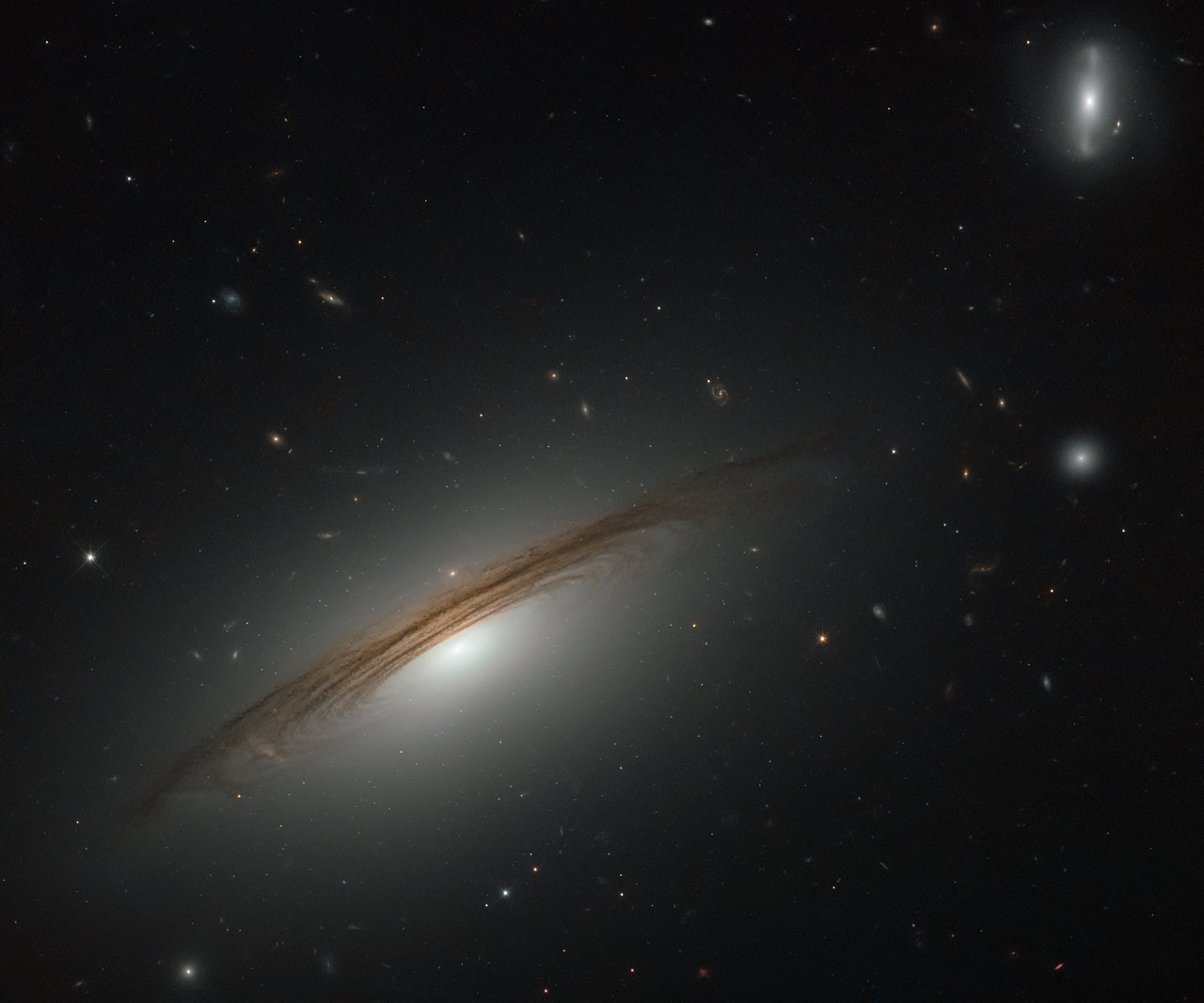
A galactic hybrid called UGC 12591 (around 400 million light-years away from us in the Pisces-Perseus Supercluster)
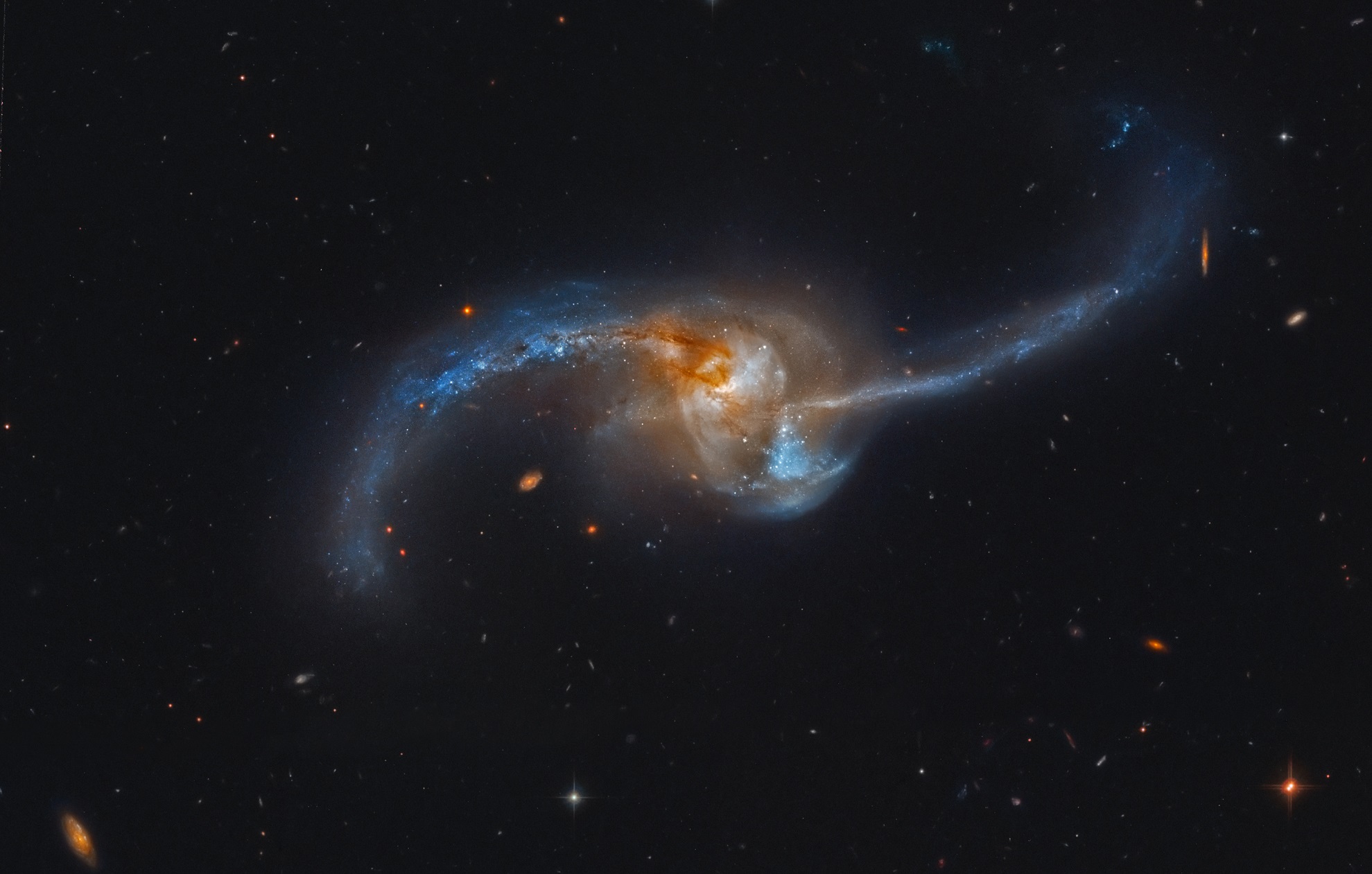
NGC 2623 (two galaxies that are making love and that are becoming one!)
The horsehead nebula
(Alone in the space, there's a horse running into the wild...)
.jpg.483df341597cb4f9b36f8eee78afff43.jpg)
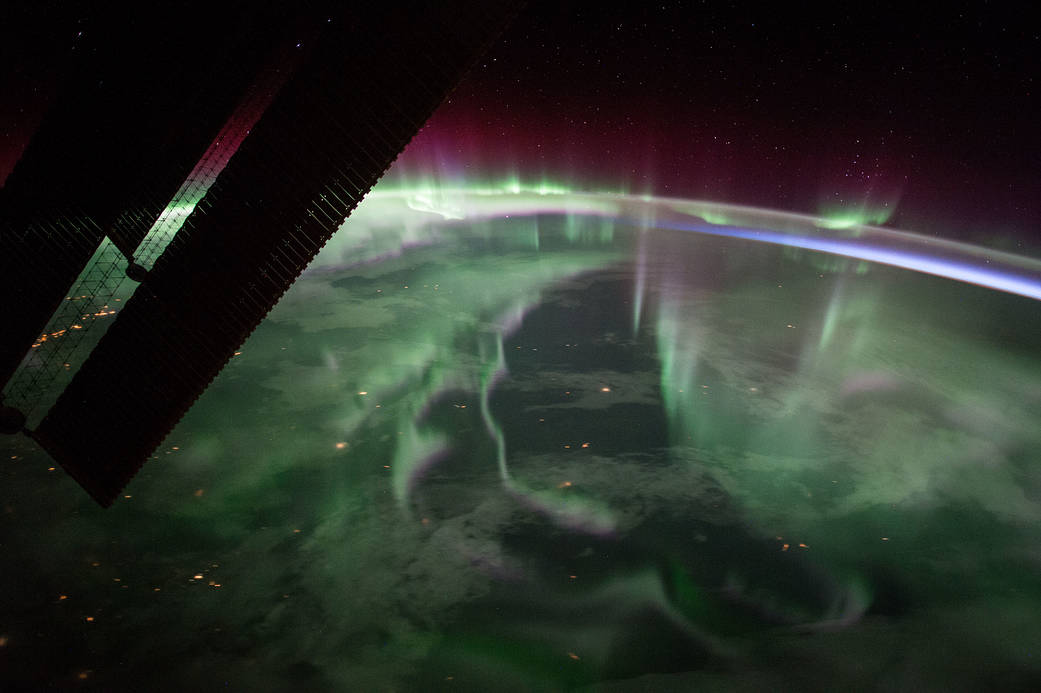
An "aurora borealis" over Canada.
Picture taken by the International Space Station
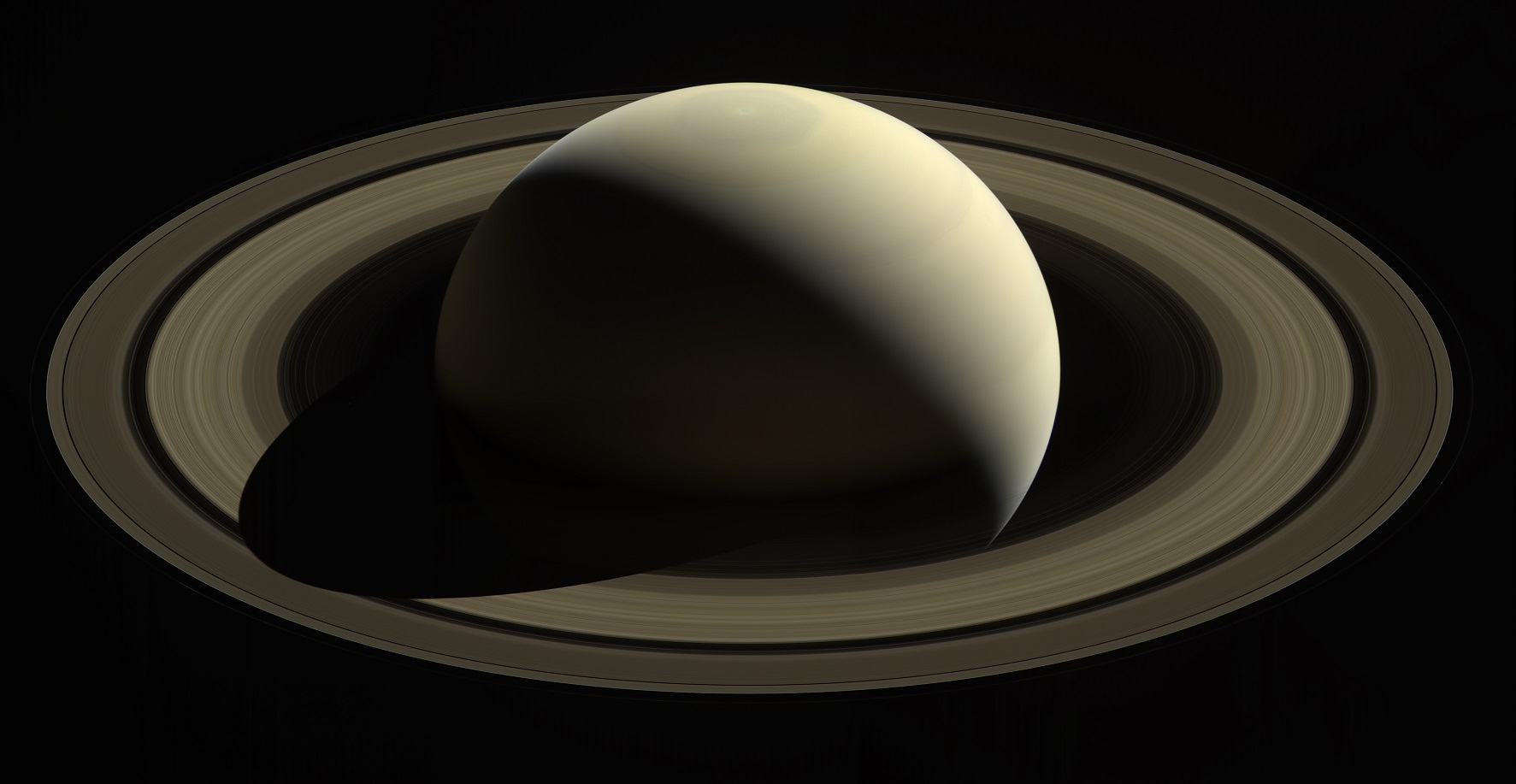
Saturn!
(from Cassini-Huygens)
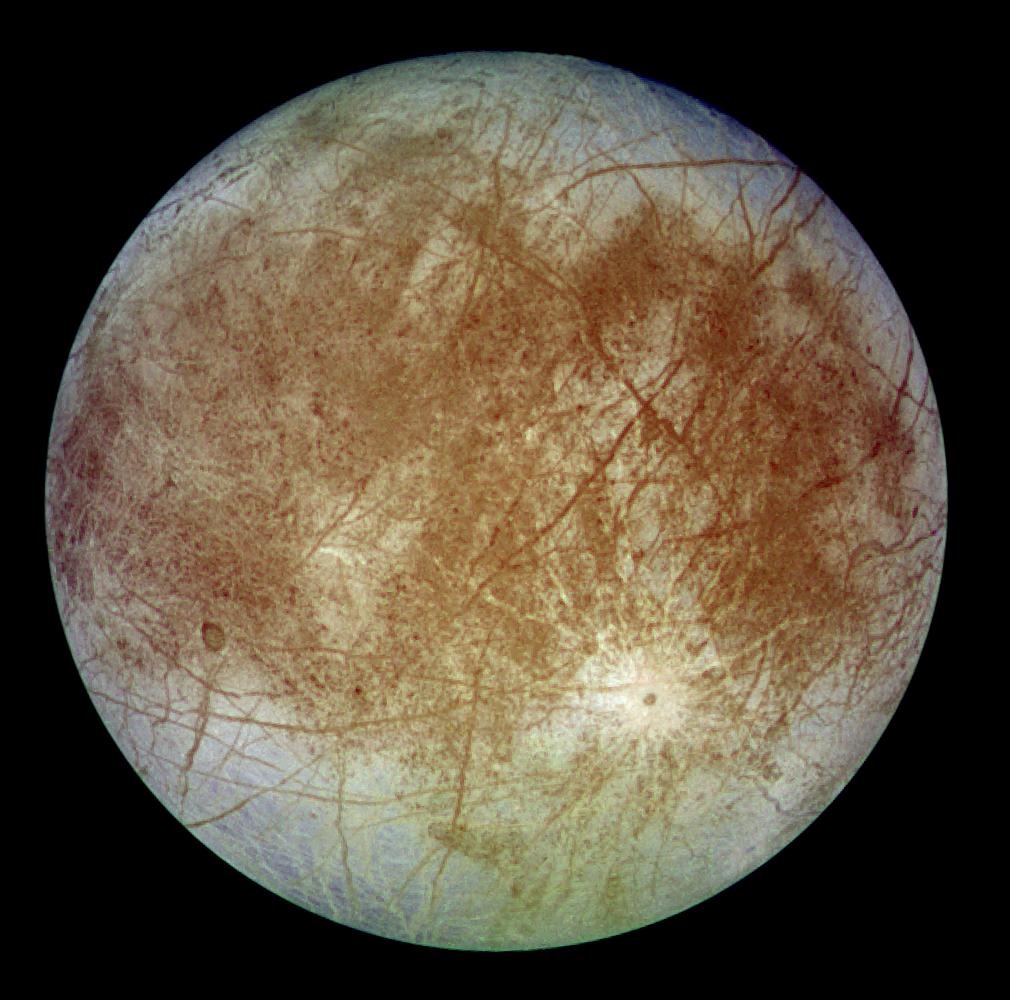
Jupiter's moon Europa. She's full of ice. And maybe full of life.
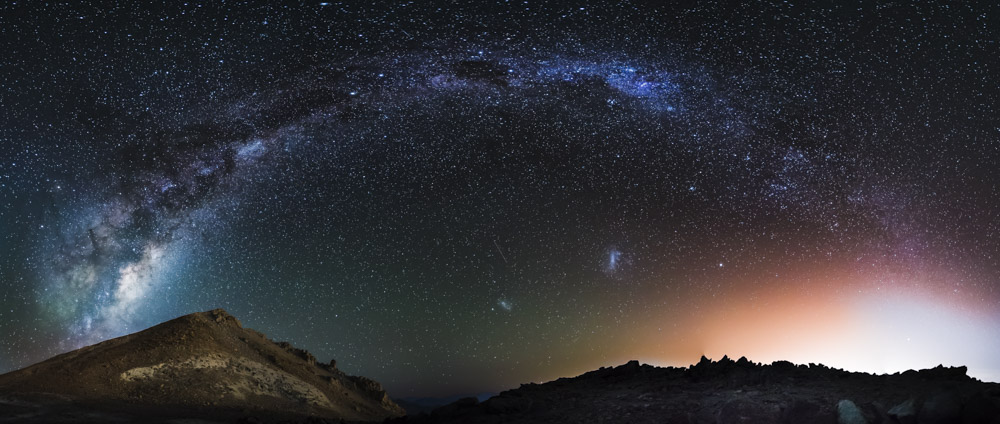
I found this picture of the Milky Way over the Andes. I think that it was taken in Chile.
Very nice place and picture.